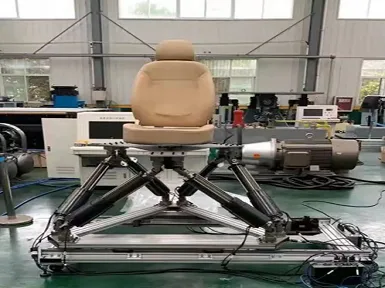
MECHANICAL ENVIRONMENT RELIABILITY TEST APPLIED IN POWER & ENERGY
Why is battery reliability testing important?
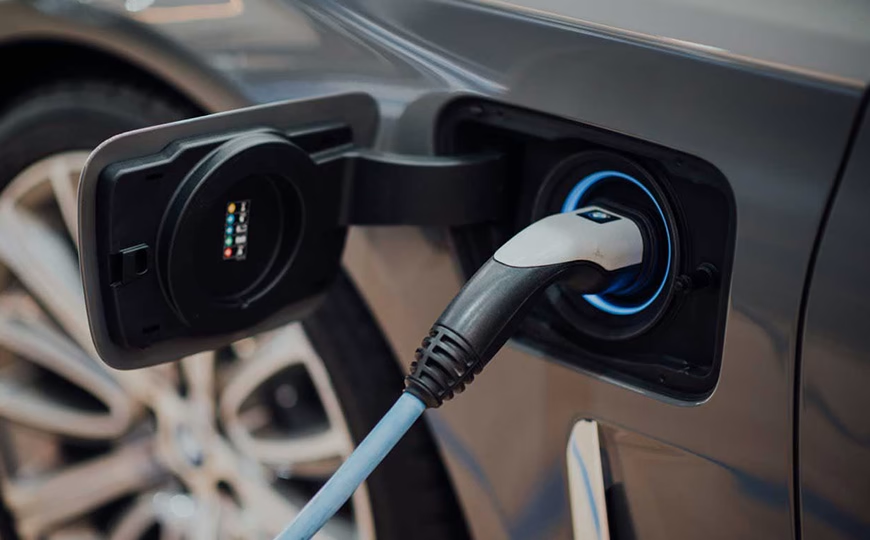
Today, battery technology is developing at a breath-taking pace. Nevertheless, your customers’ expectations for safety and quality are as demanding as always. Battery testing addresses these by validating the safety and reliability of the batteries used in a growing range of applications. This includes batteries for transportation applications such as electric vehicles, rail, marine and aerospace, but also stationary batteries for grid storage and balancing, backup power applications and batteries for wireless equipment and medical devices. Moreover, with the increase in the number of new EVs represents there is more needs for confirming the safety and reliability of the power battery. Thus, evaluation of the reliability of the batteries is important for the car manufacturers and design technicians.
What is the battery mechanical reliability testing?
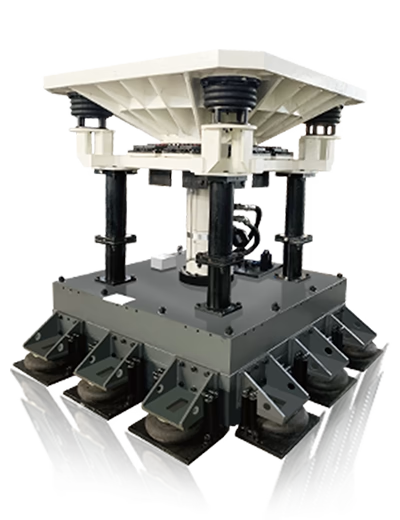
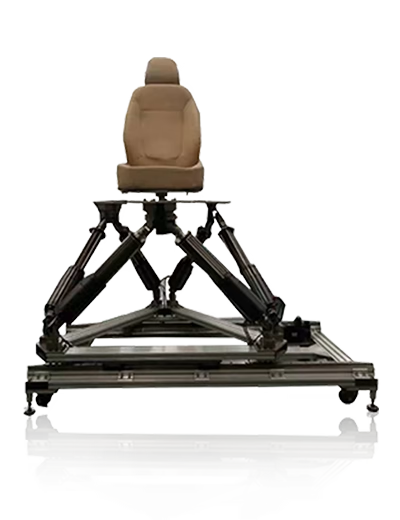
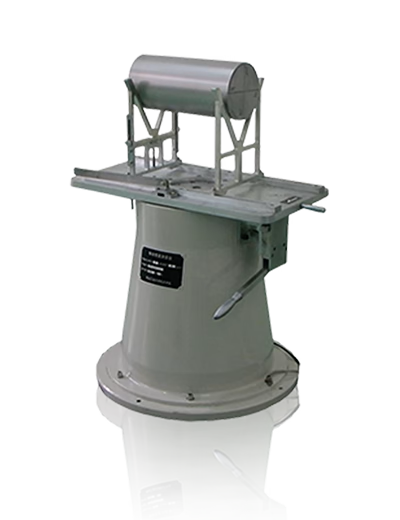
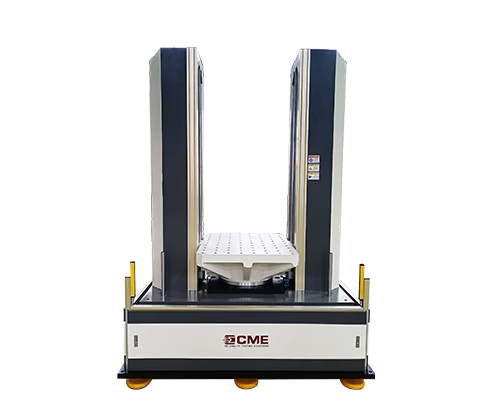
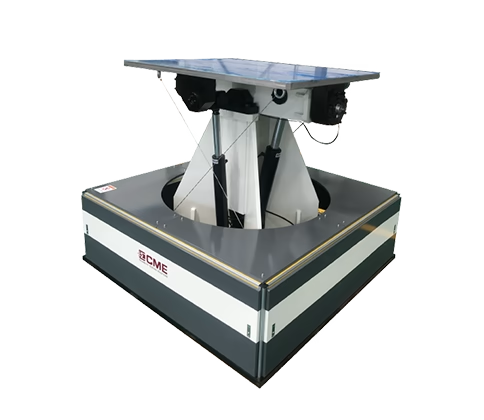
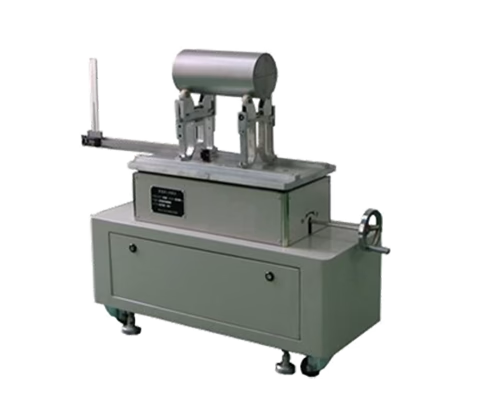
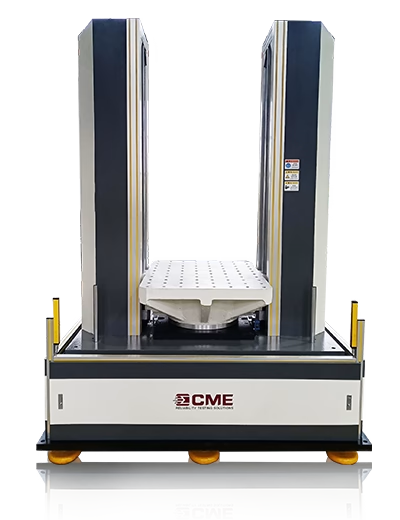
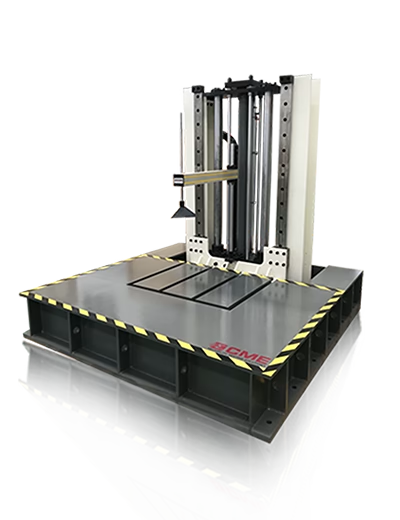
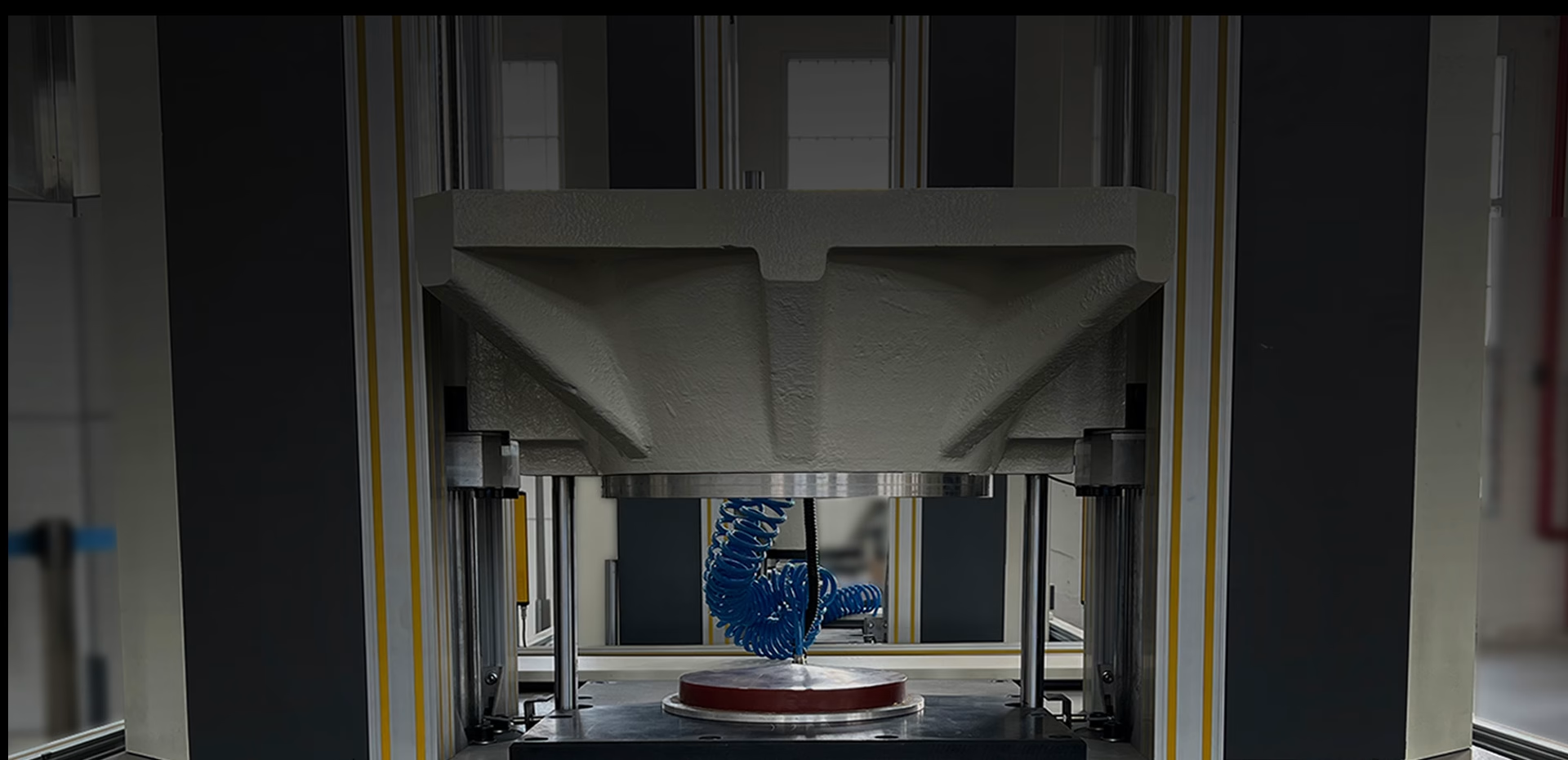
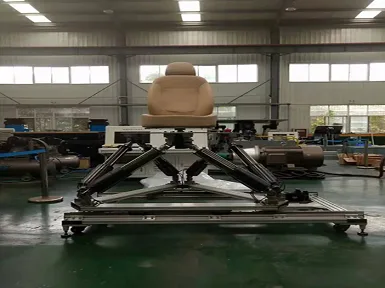
Mechanical reliability testing is to simulate the vibration and mechanical shock environments during transportation or using for lithium-ion battery cells, lithium-ion battery pack or system.
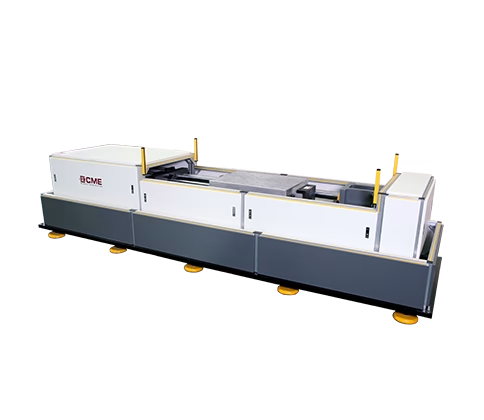
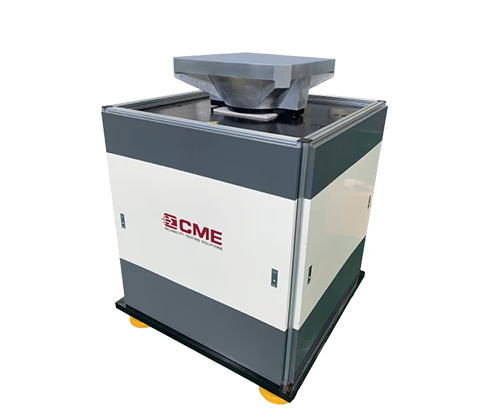
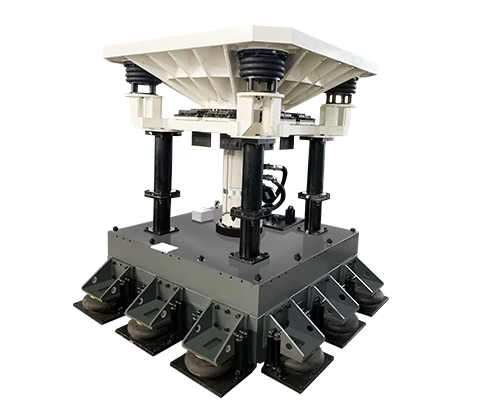
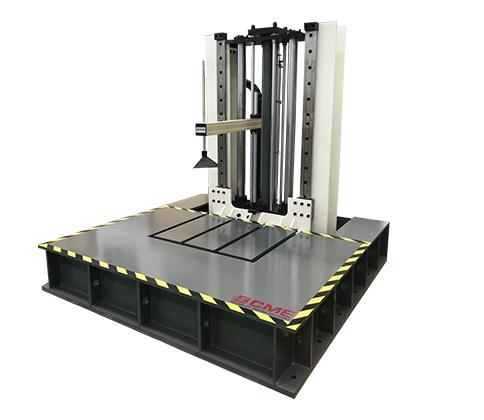
CME has the capability of following testing solutions:
We use cookies to enhance your browsing experience, serve personalised ads or content, and analyse our traffic. By clicking "Accept All", you consent to our use of cookies.
Customise Consent Preferences
We use cookies to help you navigate efficiently and perform certain functions. You will find detailed information about all cookies under each consent category below.
The cookies that are categorised as "Necessary" are stored on your browser as they are essential for enabling the basic functionalities of the site. Show more
>Necessary
Necessary cookies are required to enable the basic features of this site, such as providing secure log-in or adjusting your consent preferences. These cookies do not store any personally identifiable data.
>Functional
Functional cookies help perform certain functionalities like sharing the content of the website on social media platforms, collecting feedback, and other third-party features.
>Analytics
Analytical cookies are used to understand how visitors interact with the website. These cookies help provide information on metrics such as the number of visitors, bounce rate, traffic source, etc.
>Performance
Performance cookies are used to understand and analyse the key performance indexes of the website which helps in delivering a better user experience for the visitors.
>Advertisement
Advertisement cookies are used to provide visitors with customised advertisements based on the pages you visited previously and to analyse the effectiveness of the ad campaigns.