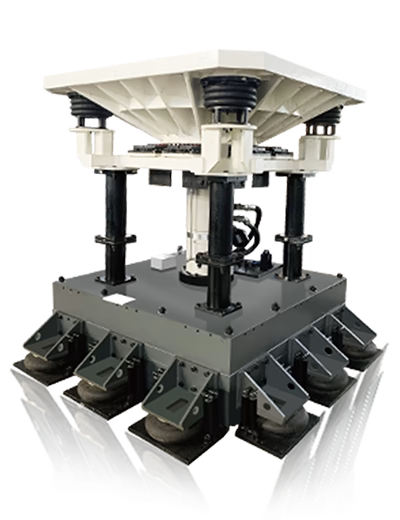
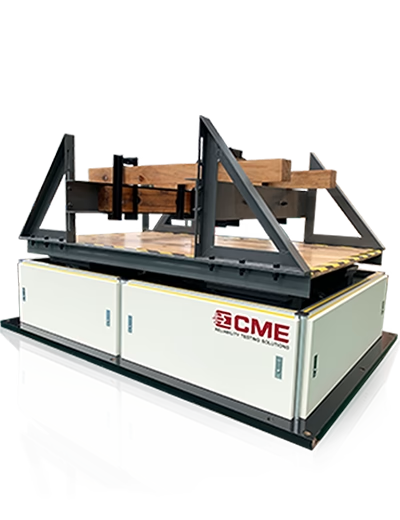
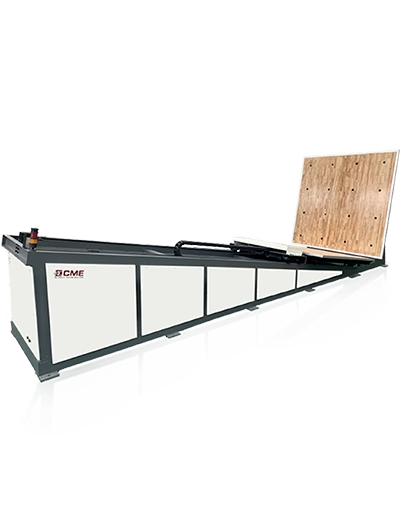
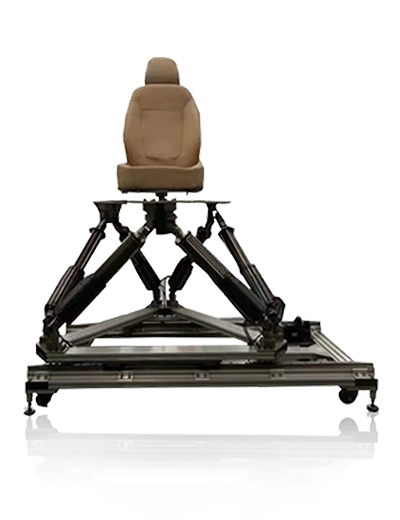
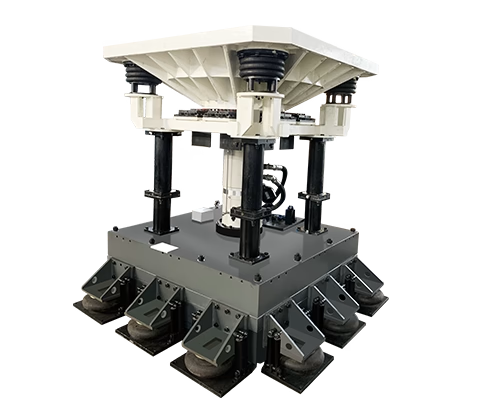
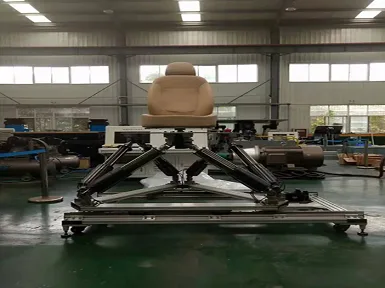
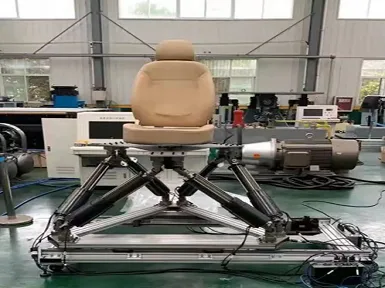
Smooth sailing is the ultimate goal for any seafarer, and achieving this demands meticulous testing and optimization of a ship’s stability. In recent years, the maritime industry has witnessed a transformative shift in ship stability testing through the integration of multi axis simulation tables (MAST table). This innovative technology is revolutionizing the way ships are evaluated for stability, bringing a new level of precision and efficiency to maritime safety.
Setting the Course: Understanding Ship Stability Testing
Ship stability is a critical aspect of maritime safety, determining a vessel’s ability to resist capsizing and maintain equilibrium in various sea conditions. Traditionally, stability testing involved physical model testing in tanks, which often had limitations in replicating real-world scenarios. Enter multi axis simulation tables, a cutting-edge solution that enhances the accuracy and comprehensiveness of stability testing.
Navigating the Technology: The Power of Multi Axis Simulation Tables
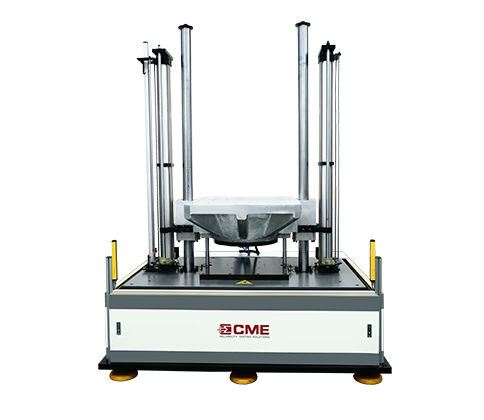
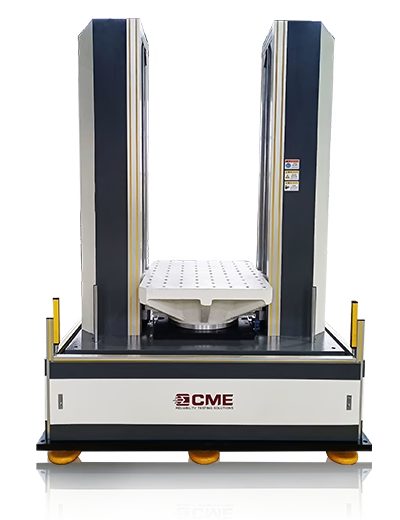
Multi axis simulation tables allow for dynamic and realistic simulations of ship movements in multiple directions simultaneously. This capability enables engineers and naval architects to assess a ship’s stability under a diverse range of environmental conditions, including waves, winds, and sudden maneuvers. The result is a more thorough evaluation that reflects the complexities of actual sea conditions.
Precision in Practice: Benefits of MAST in Ship Stability Testing
One of the key advantages of multi axis simulation tables is the ability to replicate a wide array of sea conditions with unparalleled accuracy. This not only accelerates the testing process but also provides a more comprehensive understanding of a ship’s stability profile. Engineers can identify potential issues and make design adjustments early in the development phase, reducing the likelihood of stability-related incidents during actual operations.
Real-world Impact: Enhancing Safety and Reliability
The implementation of multi axis simulation tables goes beyond efficiency gains; it directly contributes to enhanced safety and reliability in maritime operations. By subjecting ships to realistic and challenging scenarios during stability testing, potential weaknesses are uncovered and addressed preemptively. This proactive approach significantly reduces the risk of accidents at sea, safeguarding both crew members and valuable cargo.
Charting the Future: Continuous Advancements in MAST Technology
As technology evolves, so does the capability of multi axis simulation tables. Ongoing research and development are focused on refining simulation algorithms, expanding the range of testable conditions, and incorporating artificial intelligence for even more sophisticated analyses. The future holds the promise of even smoother sailing, with MAST technology at the forefront of advancements in ship stability testing.
In conclusion, the integration of multi axis simulation table marks a paradigm shift in ship stability testing. By combining realism with precision, this innovative technology empowers the maritime industry to navigate the complexities of the sea with confidence. As we continue to refine and advance MAST capabilities, the vision of consistently achieving smooth sailing for every vessel becomes an attainable reality, ensuring a safer and more reliable future for maritime operations.