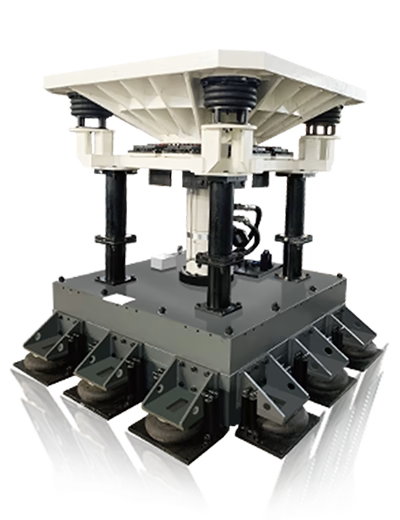
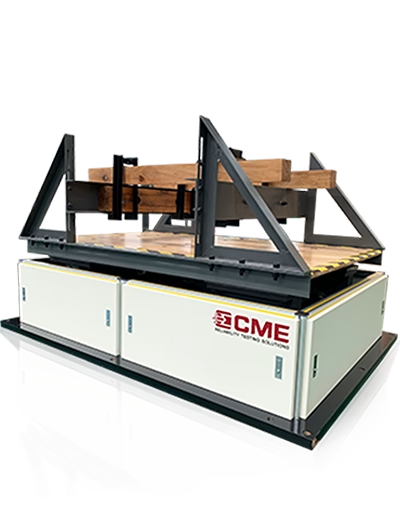
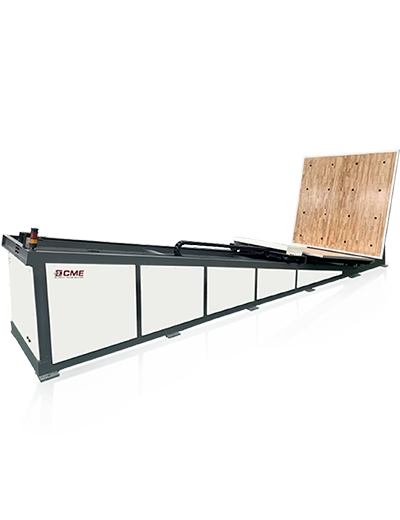
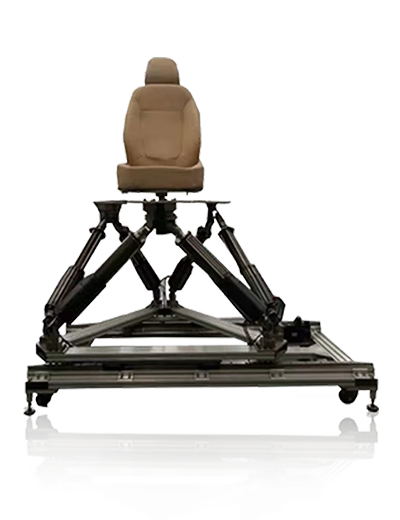
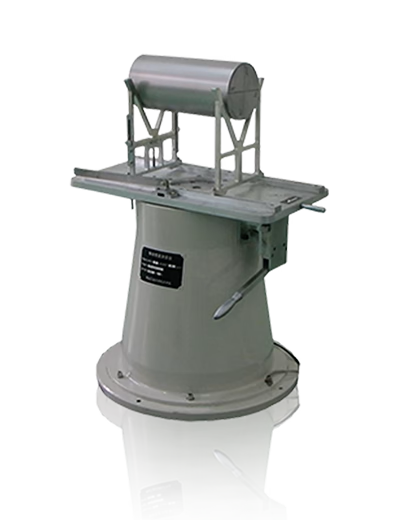
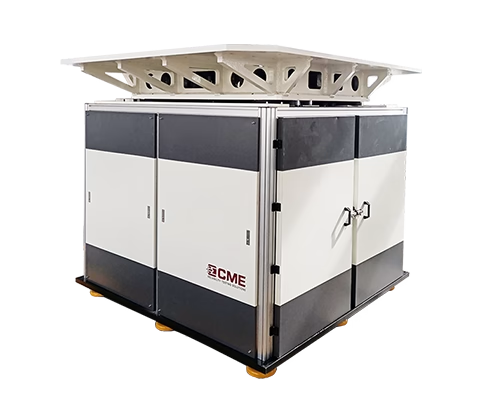
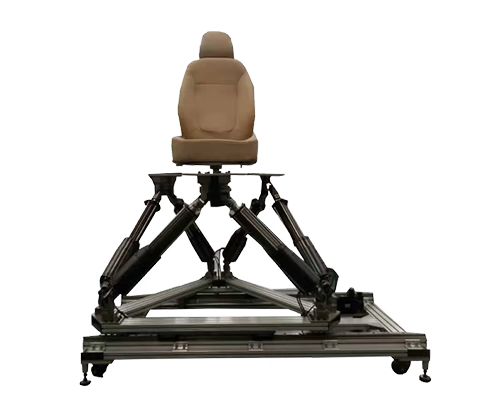
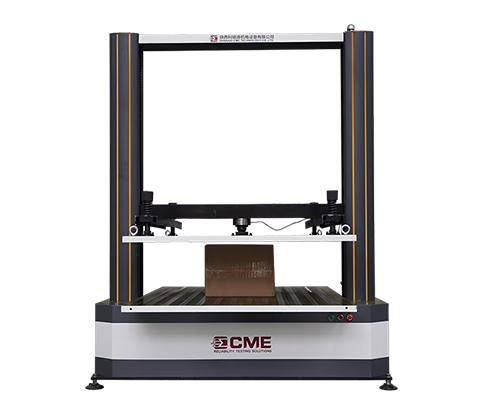
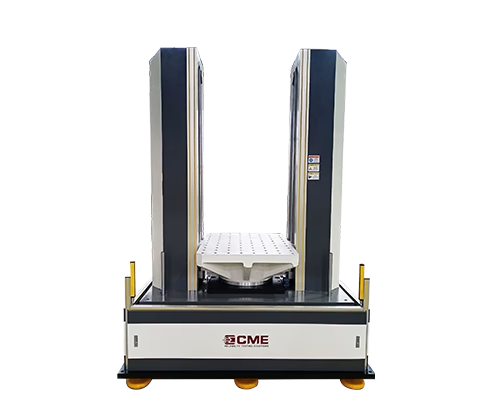
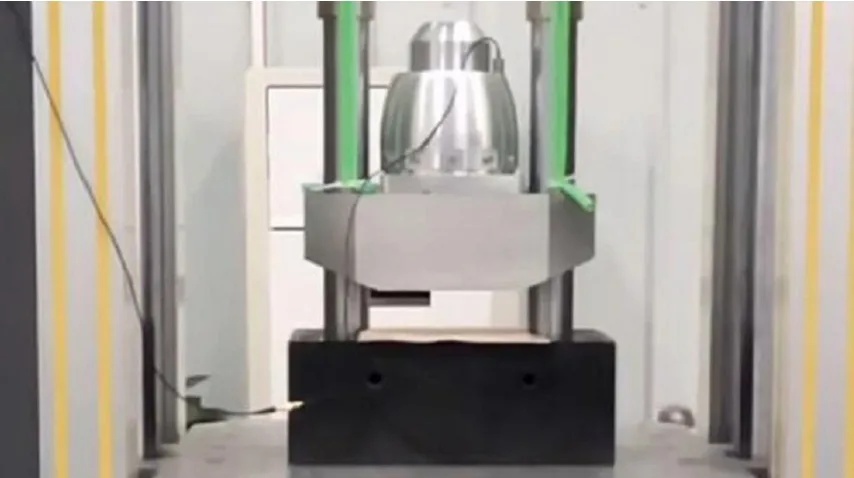
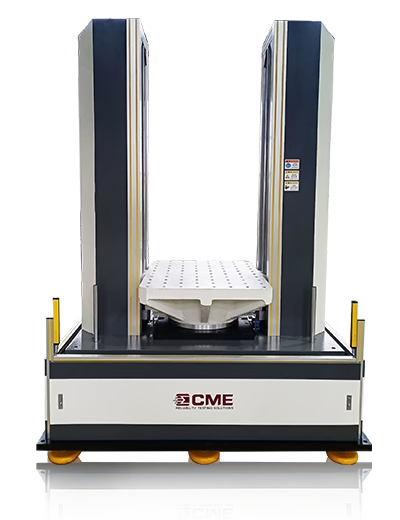
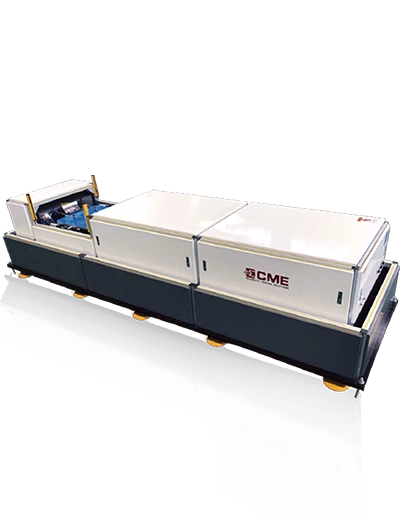
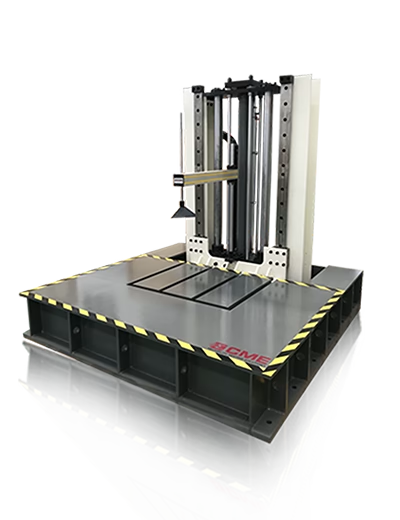
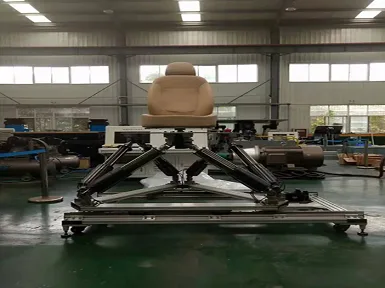
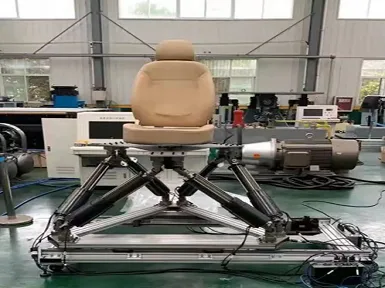
In the dynamic landscape of product development, ensuring the reliability of components and systems is paramount. The advent of reliability test equipment has revolutionized the way industries approach quality assurance. This blog will delve into the intricate technology that powers reliability test equipment, exploring its essential role in crafting robust and dependable products.
Understanding the Core Technologies
Sensor Technology
At the heart of reliability test equipment lies advanced sensor technology. These sensors act as the eyes and ears of the testing process, capturing critical data that reflects the performance and behavior of the product under various conditions. From temperature and pressure sensors to accelerometers and strain gauges, the array of sensors integrated into the equipment provides a comprehensive understanding of how a product responds to different stressors.
Data Acquisition Systems
The efficiency of reliability testing hinges on the seamless collection and analysis of vast amounts of data. Modern test equipment incorporates sophisticated data acquisition systems that facilitate real-time monitoring and recording of key parameters. These systems ensure that every nuance of the product’s performance is captured and analyzed, contributing to a detailed and accurate assessment of reliability.
Simulation Software
To replicate real-world scenarios and stressors, reliability test equipment often utilizes advanced simulation software. This software allows engineers to create virtual environments that mimic the operational conditions a product might encounter throughout its lifecycle. Through simulation, manufacturers can subject their products to a wide range of scenarios, enabling them to identify weaknesses, predict failure points, and ultimately enhance the overall reliability of the product.
The Crucial Role in Product Development
Reliability test equipment plays a pivotal role in the iterative process of product development. By subjecting prototypes and components to rigorous testing, engineers can uncover vulnerabilities and potential failure modes early in the design phase. This proactive approach not only saves time but also significantly reduces the costs associated with rectifying issues post-production.
Accelerated Life Testing
One of the key applications of reliability test equipment is accelerated life testing. By subjecting products to extreme conditions and stress levels, manufacturers can simulate years of wear and tear in a fraction of the time. This process helps identify weak points, material degradation, and potential failure modes, allowing engineers to fine-tune designs for optimal performance and longevity.
Environmental Testing
Reliability test equipment excels in assessing a product’s resilience in diverse environmental conditions. From extreme temperatures to humidity and vibration, the equipment ensures that products can withstand the challenges posed by their intended operating environments. This type of testing is particularly crucial for industries like aerospace, automotive, and electronics, where products must perform reliably under various and often harsh conditions.
Compliance and Certification
Reliability testing is a cornerstone in meeting industry standards and regulations. Test equipment helps manufacturers ensure that their products comply with safety, performance, and quality standards set by regulatory bodies. Achieving certification not only instills confidence in consumers but also opens doors to new markets by demonstrating a commitment to delivering reliable and safe products.
In conclusion, the technology behind reliability test equipment is a driving force in shaping the quality and dependability of products across industries. From cutting-edge sensors to advanced simulation software, these technological components work in harmony to uncover potential issues, refine designs, and ultimately contribute to the creation of products that stand the test of time. As industries continue to evolve, the role of reliability test equipment remains indispensable in the pursuit of excellence and the delivery of reliable solutions to consumers worldwide.