Reliability Testing of Electronic Components – Environmental Testing
Environmental testing is an important testing method to evaluate the adaptability of electronic products under various environmental conditions such as vibration, shock, centrifugation, temperature, thermal shock, humidity, salt spray, and low pressure. It’s one of the important methods for evaluating the reliability of electronic products.
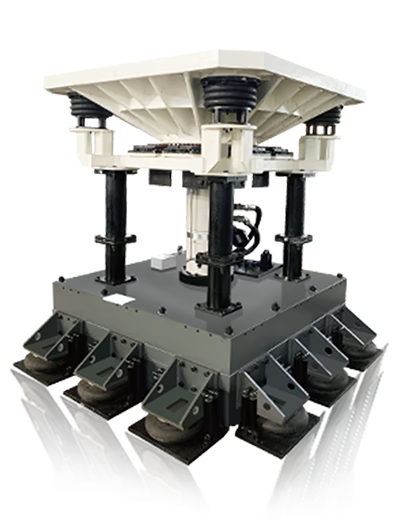
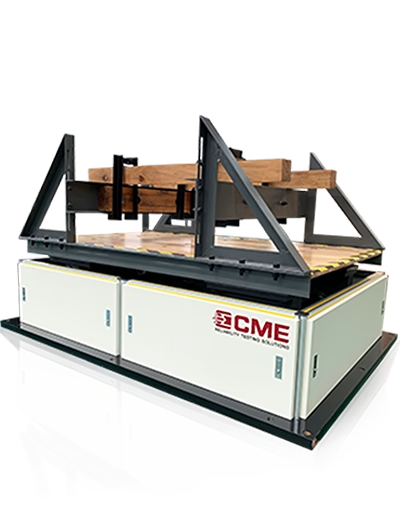
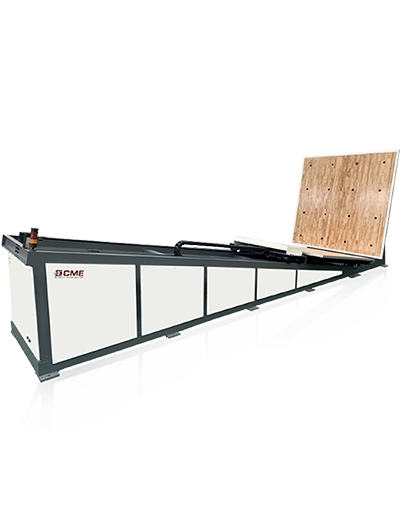
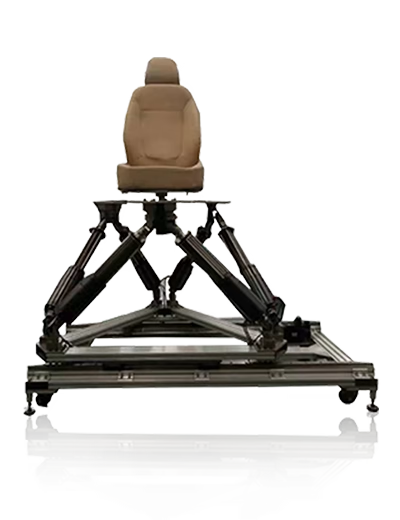
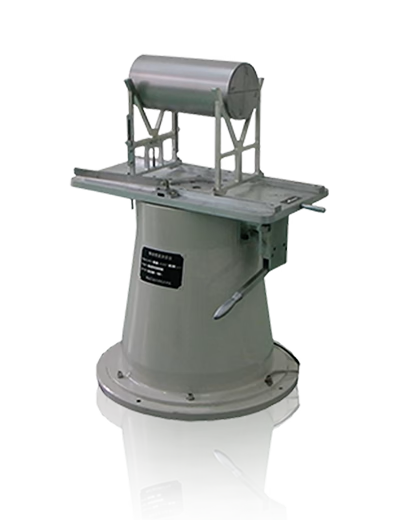
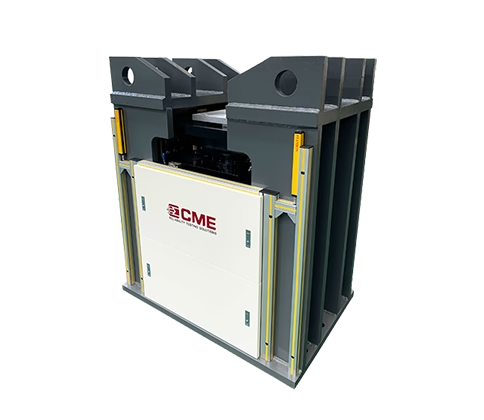
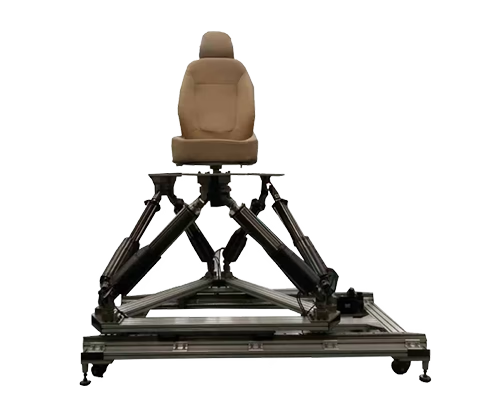
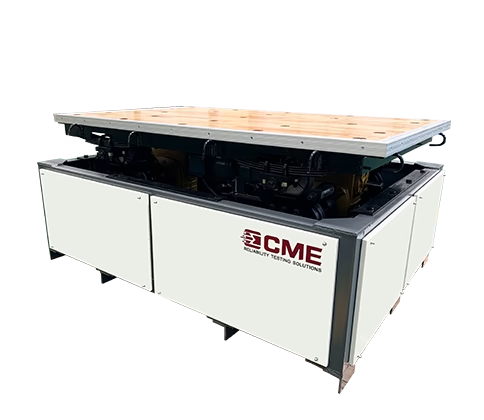
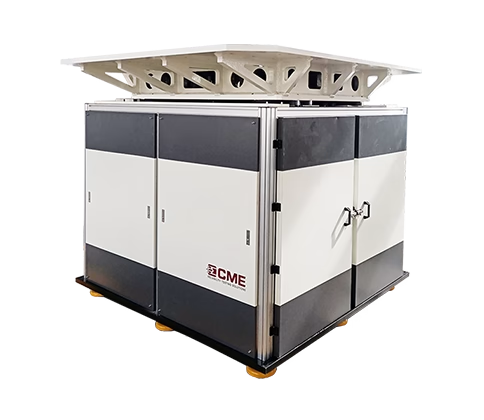
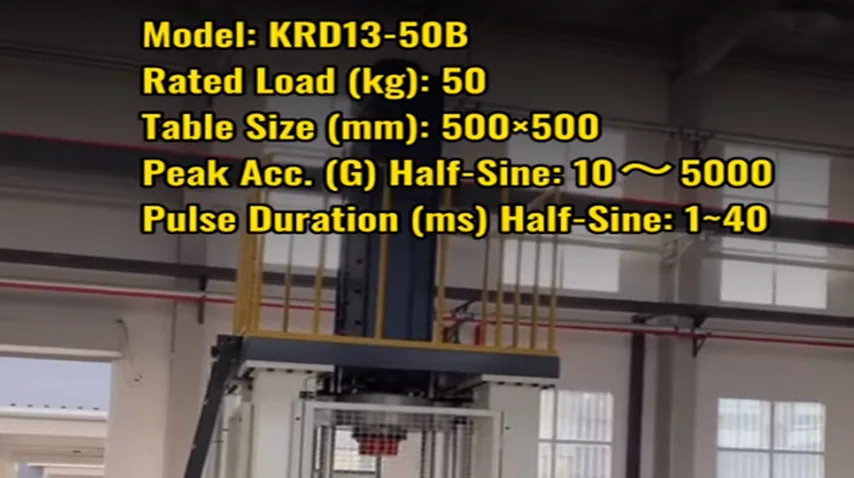
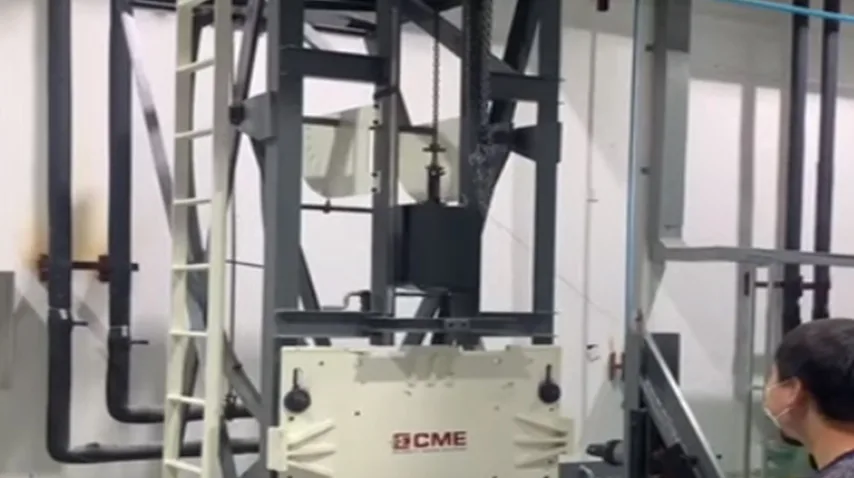
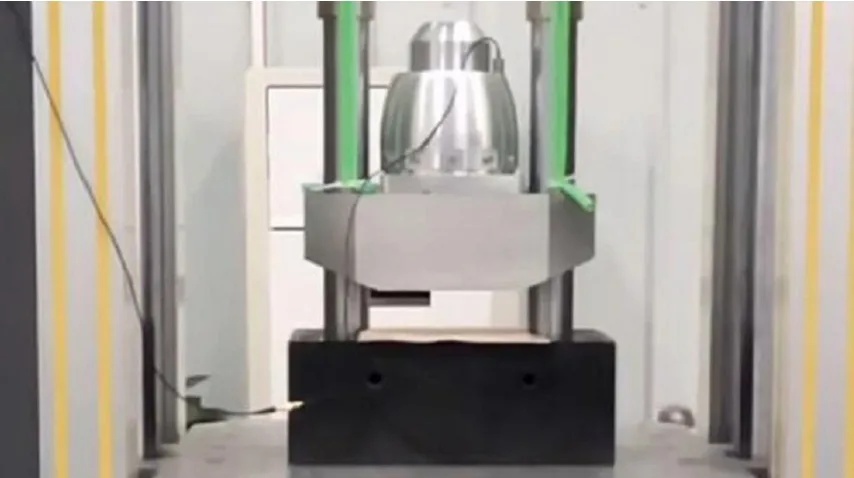
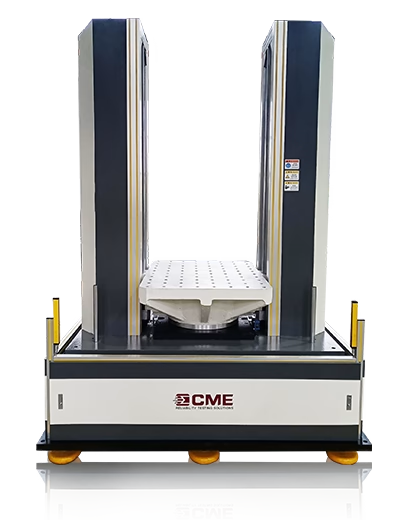
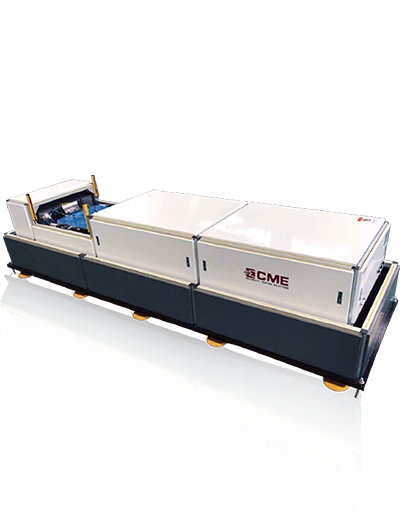
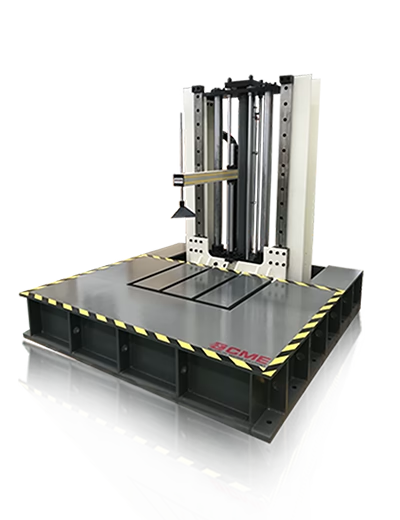
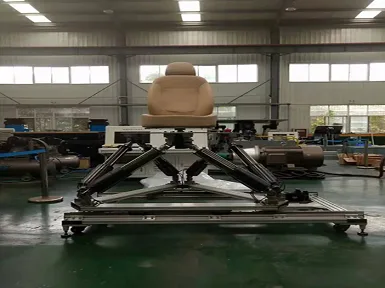
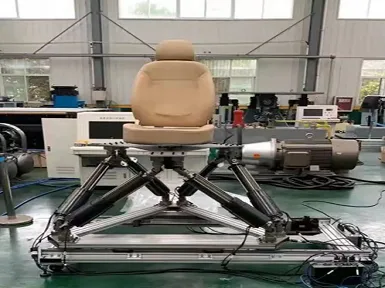
Mechanical reliability testing includes vibration, shock, and centrifugation. CME provides professional testing equipment, including shock&bump test systems, shock response spectrum test systems, constant acceleration testers, and hydraulic vibration test systems.
Reliability Testing – Life Testing
Life testing is a method to study the life characteristics of electronic products. It can be carried out in the laboratory using reliability testing equipment to simulate various usage conditions. Life testing is one of the most important and fundamental items in reliability testing. It places the product under specific test conditions to investigate the changes in failure (damage) over time. Through life testing, the life characteristics, failure patterns, failure rates, average life, and various failure modes that may occur during the life testing process can be understood.
If the failure is combined to analyze, the main failure mechanism that causes the product to fail can be further clarified, providing a basis for reliability design, reliability prediction, improving the quality of new products, and determining reasonable screening and routine test conditions. If it’s necessary to shorten the test time, the test can be performed by increasing the stress without changing the failure mechanism. This is called accelerated life testing. The reliability level of new products can be evaluated through life testing, and the reliability level can be improved through quality feedback.
Reliability Testing – Screening Testing
Screening testing is a non-destructive testing that comprehensively inspects electronic products. The purpose is to select products with certain characteristics or remove products with early failures to improve the reliability of products. During the manufacturing process of the product, some early defects or failures occur due to material defects or process control failure. These defects or failures can be eliminated early to ensure the actual reliability level of the product.
Reliability Testing – On-Site Use Testing
The above tests are carried out by simulating on-site conditions. Due to the limitations of the equipment conditions, simulated tests can often only apply a single pressure to the product, and sometimes double pressure can be applied. This is very different from the actual environmental conditions of use, so the quality of the product cannot be truly and comprehensively exposed.
On-site testing is different. As it’s carried out in the actual use environment, it can best reflect the reliability issues of the product, and the data obtained has high value for predicting, designing, and guaranteeing the reliability of the product. On-site testing plays an important role in the formulation of reliability test plans, verification of reliability testing methods, and evaluation of test accuracy.
Reliability Testing – Identification Testing
Identification testing is a test conducted to evaluate the reliability level of a product. It’s a sampling plan based on sampling theory. Identification testing is carried out under the condition that the producer does not cause the product quality to meet the standards and be rejected.
Reliability testing is an important method to improve the reliability level of products and occupies an important position in product reliability engineering. The reliability testing should be paid attention to from the beginning of the product’s development. By fully utilizing this important method, the reliability level of products in design and production can be improved.