Reliability testing of lithium batteries is an important part of battery testing. The lithium battery reliability testing project includes many aspects, using different methods and different battery testing equipment to verify whether the reliability of lithium batteries meets the standard. So, what are the contents of the reliability testing of lithium batteries?
The main part of lithium battery reliability testing is the lithium battery pack testing project, including electrochemical performance testing, environmental performance testing, and safety performance testing, which are used to test the quality and reliability of the battery. Let’s now explain them one by one.
Contents of lithium battery reliability testing
Electrochemical performance testing
Electrochemical performance testing includes over-discharge protection testing, over-current protection testing, overcharge protection testing, life-cycle testing, capacity testing, short-circuit protection testing, open circuit voltage/internal resistance testing, and more.
Environmental performance testing
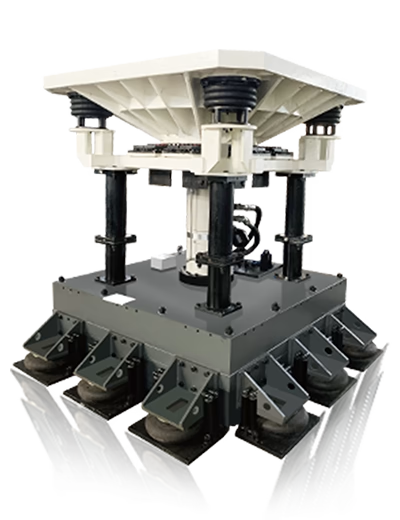
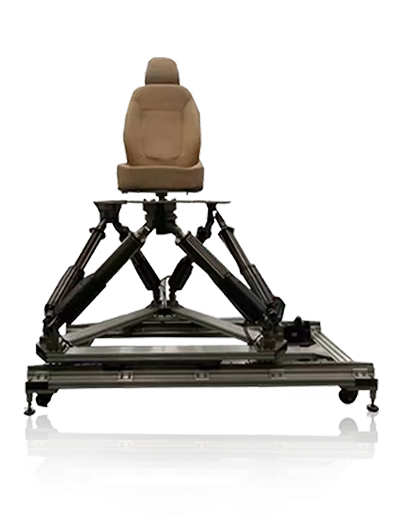
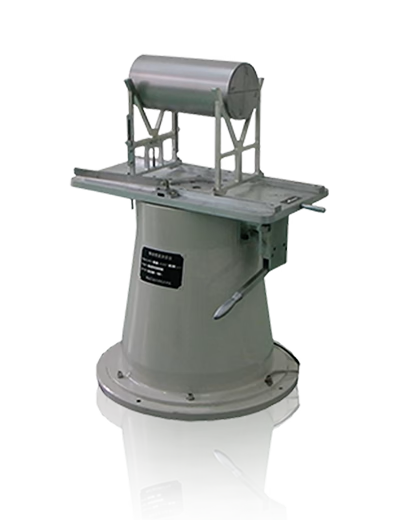
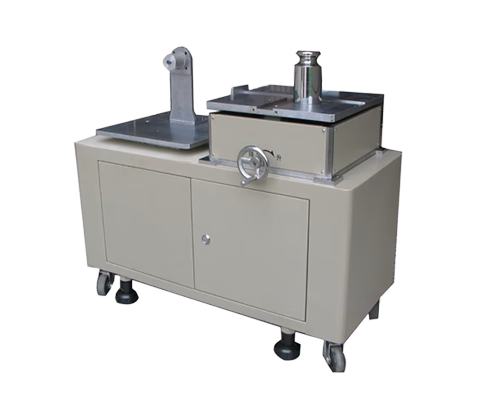
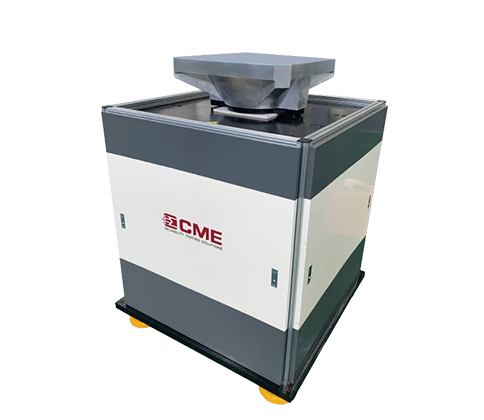
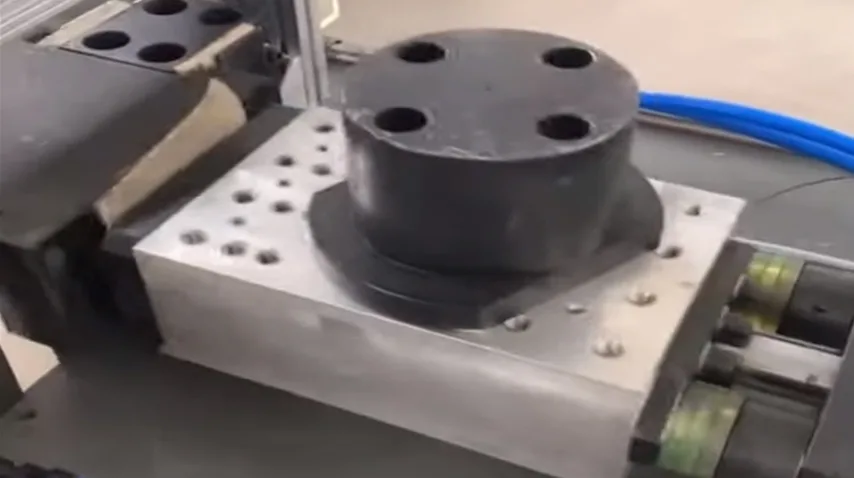
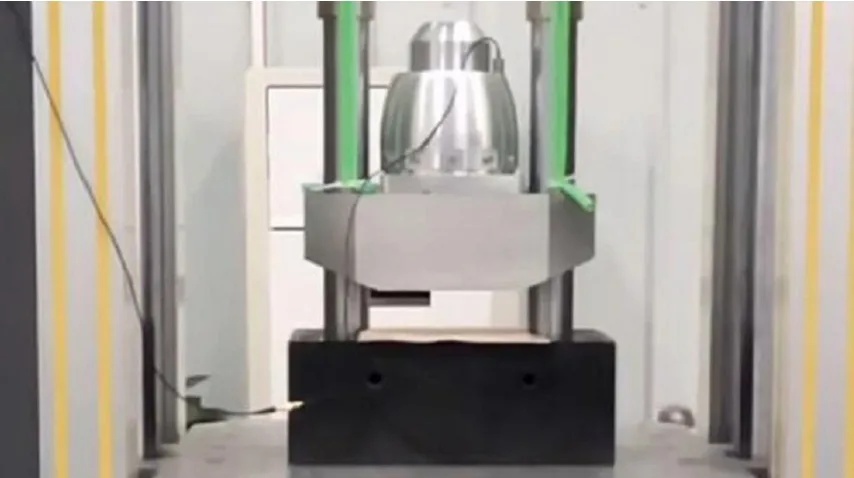
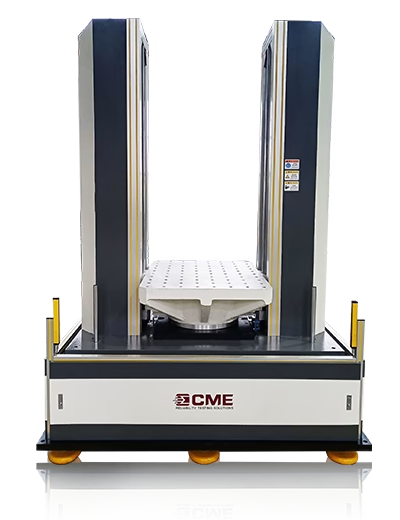
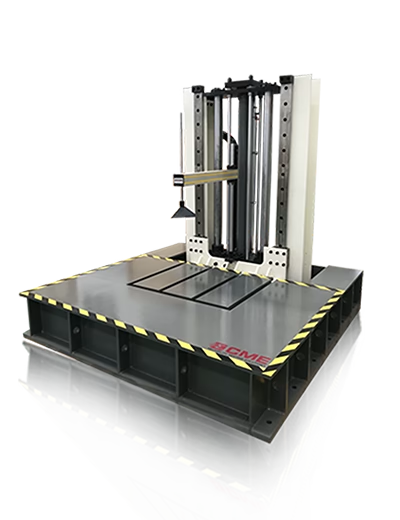
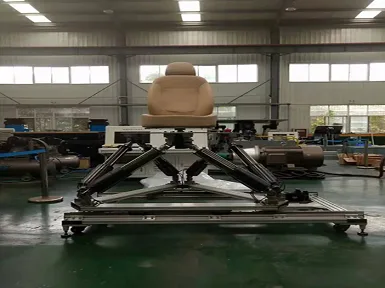
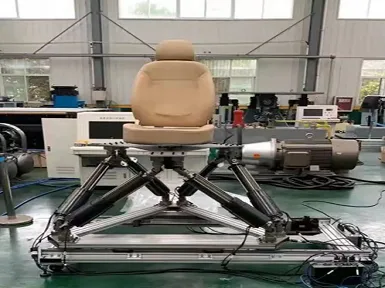
Environmental performance testing includes drop testing, impact testing, vibration testing, packaging testing, high temperature testing, low temperature testing, etc. Battery environmental performance testing helps protect the internal battery or battery pack and can evaluate whether the product can withstand high impact, drop, vibration, and impact loads. CME offers impact test machines, drop test machines, vibration test machines, and packaging test machines for battery environmental performance tests to evaluate the reliability and structural integrity of products in impact, drop, and vibration environments.
Safety performance testing
Safety performance testing includes short-circuit testing, overcharge testing, over-current testing, and more.
Safety of battery reliability testing
The battery is an indispensable part of electronic products, but there have been reports of battery explosions, indicating that these batteries lack safety and reliability. Battery reliability testing is to prove that the battery can complete the required functional tests under specific conditions and timeframes. Electric batteries have safety issues during use, such as short circuits and overcharge leakage. To address these safety issues, we need to conduct some convenient and reliable safety testing, such as short-circuit testing, overcharge testing, and impact testing, among other reliability testing projects.
Today, battery technology is developing at an astonishing pace. However, your customers’ expectations for safety and quality remain as high as ever. Battery testing solves these problems by verifying the safety and reliability of batteries used in more and more applications. This includes batteries for transportation applications such as electric vehicles, railways, ships, and aerospace, fixed batteries for grid storage and balance, backup power applications, and batteries for wireless devices and medical devices. Additionally, as the number of new electric vehicles increases, the demand for safety and reliability of power batteries is also growing. Therefore, evaluating the reliability of batteries is important for car manufacturers and design engineers.