









Aug 21, 2024
Blog




Enhancing Product Reliability for Electronics and Components
Customer: Cal-Comp Electronics (Thailand) PCL (CCET)

Industry: Electronics Manufacturing Services (EMS) / Consumer Electronics & Computer Peripherals
Application: Shock Reliability Testing for Electronic Products, PCBA, Semiconductor Packaging, and Structural Components
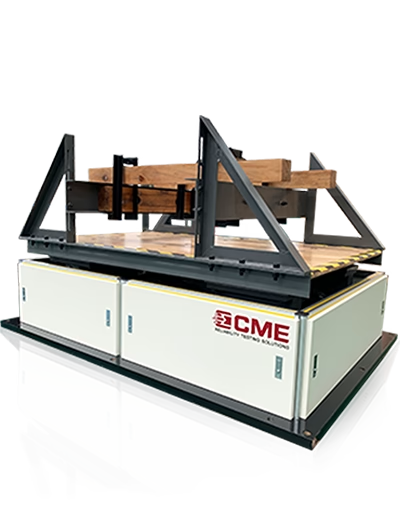
Equipment: CME KRD11-100A Pneumatic Vertical Shock Test System
Industry Background
As global supply chains undergo restructuring driven by geopolitical factors, Southeast Asia is rapidly absorbing electronics manufacturing capacity relocated from China. Driven by demand for AI servers, high-speed networking, and satellite communications, Southeast Asia is evolving from an assembly base toward high-value manufacturing and semiconductor supporting industries.
Against this backdrop, an increasing number of Southeast Asian component and parts manufacturers are prioritizing the development of product reliability testing capabilities to meet the stringent quality and supply chain resilience requirements of international brand customers.
Challenge
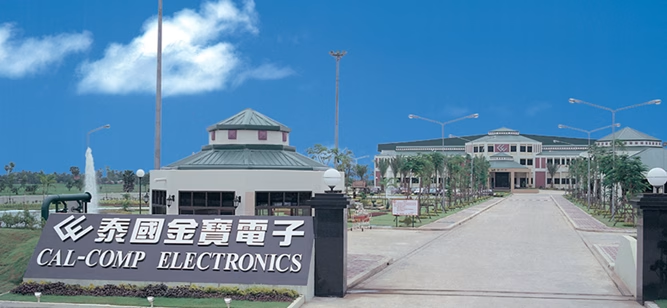
Cal-Comp Electronics (Thailand) PCL, a leading EMS provider in Thailand, was founded in 1989 and listed on the Stock Exchange of Thailand in 2001 (ticker: CCET). The company manufactures electronic products including computers and peripherals, telecommunications equipment, and automation equipment, while also offering semiconductor design and packaging, plastic injection and tooling, sheet metal processing, 3D printing, and robotic applications.
As the company expands from traditional consumer electronics into higher-value segments including semiconductor packaging, AI server boards, high-end HDI, and ABF substrates, products face increasingly complex shock environments during transportation, installation, and usage. The need for reliability verification of electronic components, PCBA, and structural components under shock conditions has grown significantly. Conventional shock testing methods often struggle to balance multi-waveform simulation, testing efficiency, and specimen protection—prompting the need for a standardized testing capability covering half-sine, post-peak sawtooth, and trapezoid shock waveforms.
Solution
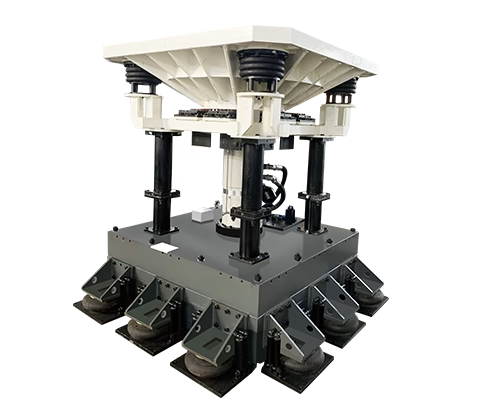
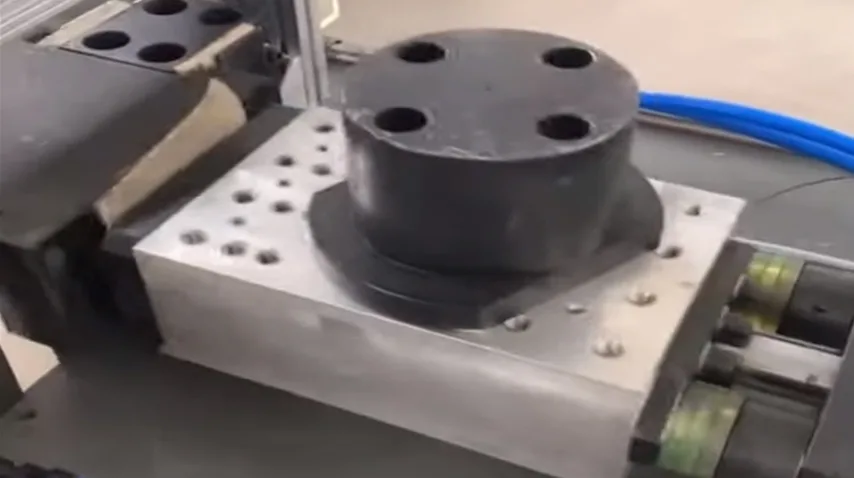
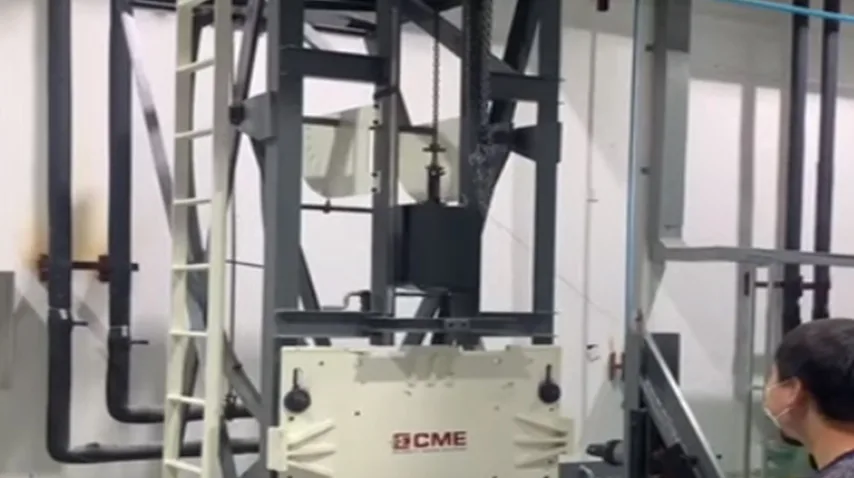
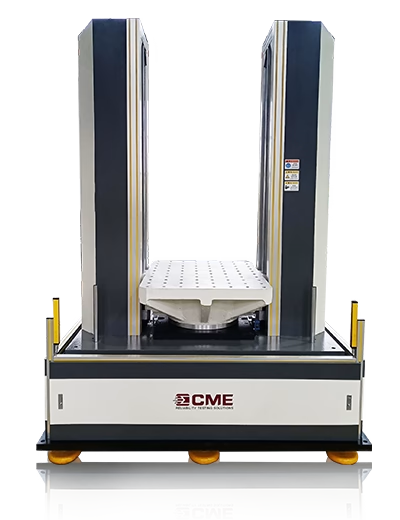
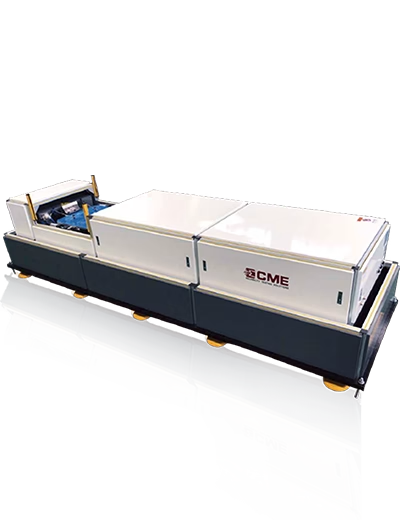
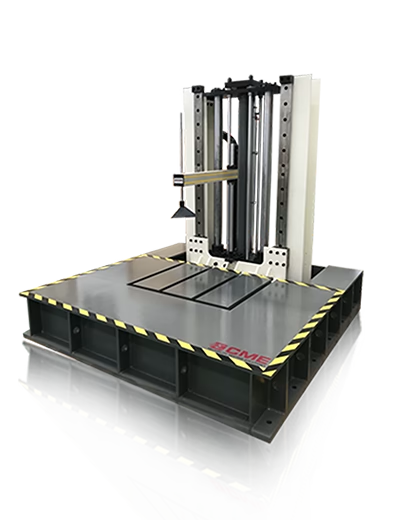
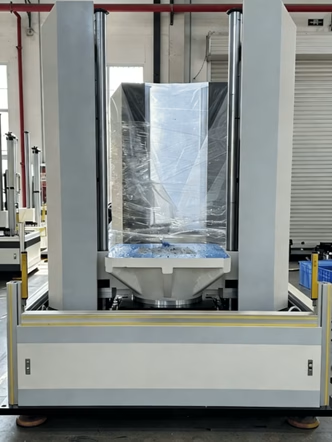
CME supplied the KRD11-100A Pneumatic Vertical Shock Test System.
The KRD11 series pneumatic vertical shock/bump test system is suitable for evaluating the functional reliability and structural integrity of various products under shock or bump environments, thereby improving or optimizing product structural design or layout. The system meets the requirements of both shock and bump tests and can perform conventional half-sine, post-peak sawtooth, trapezoid, and other waveform shock tests.
KRD11-100A Key Specifications:
Key System Features:
The equipment complies with multiple international testing standards:
Results
✔ Established standardized shock validation capability covering half-sine, post-peak sawtooth, and trapezoid waveforms
✔ Enhanced reliability of electronic components, PCBA, and structural components during transportation and usage
✔ Met stringent quality and supply chain resilience requirements of international brand customers
✔ Improved testing efficiency and repeatability with maximum shock rate up to 120 times/min
✔ Reduced product failure risks during transportation and operation
✔ Provided reliable data support for product design optimization and quality validation
✔ Supported company’s business transformation from consumer electronics manufacturing toward high-value segments including high-end PCB and semiconductor packaging
As global electronics manufacturing capacity continues to shift to Southeast Asia, establishing standardized reliability testing capabilities has become a critical factor for regional EMS companies to enhance competitiveness and win trust from international customers. The CME KRD11 series pneumatic vertical shock test system delivers efficient, reliable, and flexible shock testing solutions for the electronics manufacturing industry.