









Aug 21, 2024
Blog




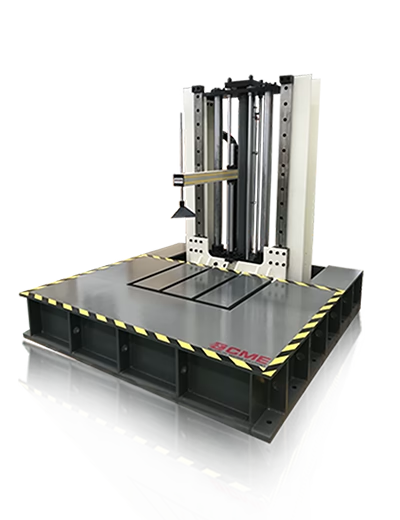
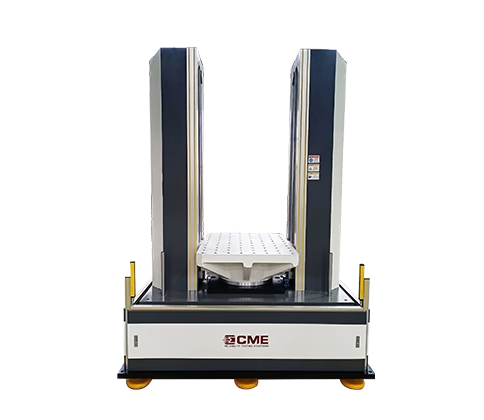
Mobileye Implements CME KRD13-100 High-Energy Shock Test System
Enhancing Reliability Validation for ADAS and Autonomous Driving Electronics
Customer: Mobileye, Israel

Industry: ADAS & Autonomous Driving Technology
Application: High-Energy Shock Testing for Automotive Electronic Control Units (ECUs)
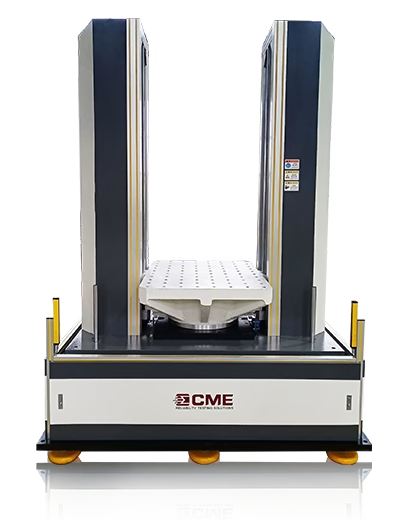
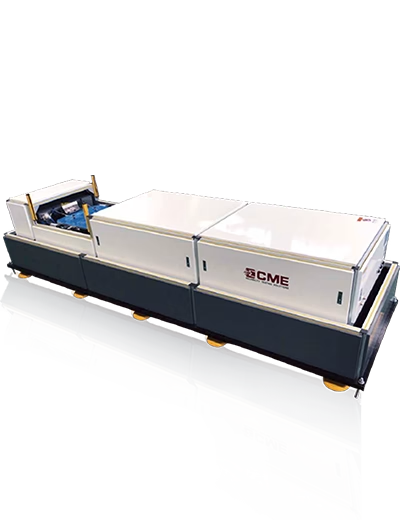
Equipment: CME KRD13-100 High-Energy Shock Test System
Challenge
As ADAS and autonomous driving technologies continue to evolve, electronic control units (ECUs), domain controllers, sensor modules, and PCB assemblies are required to withstand increasingly demanding operating environments.
Mechanical shocks generated during transportation, road impacts, crash events, and harsh operating conditions can affect both the structural integrity and functional performance of critical automotive electronics. For autonomous driving systems, reliability must be verified in all directions of loading to ensure product safety and durability.
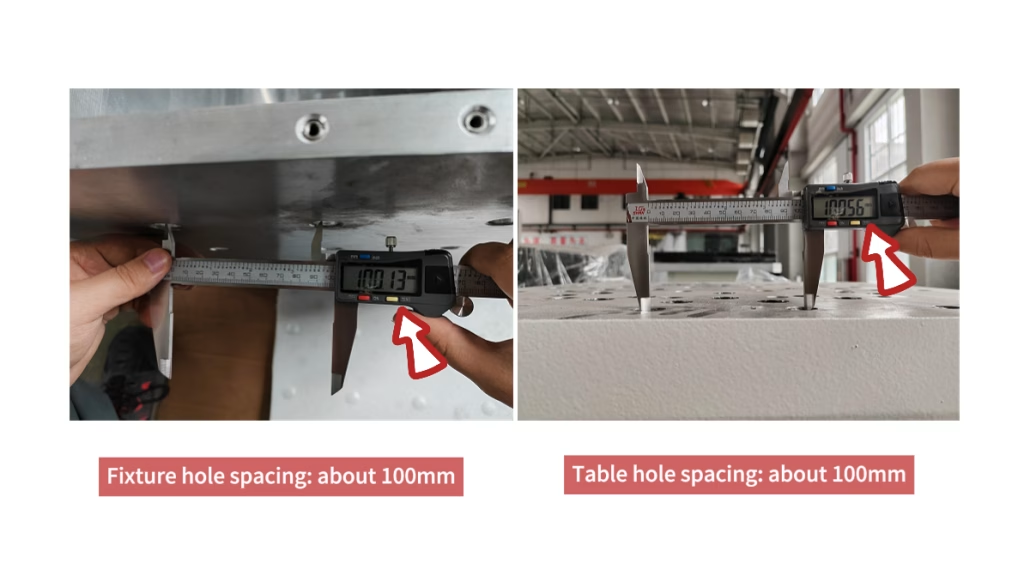
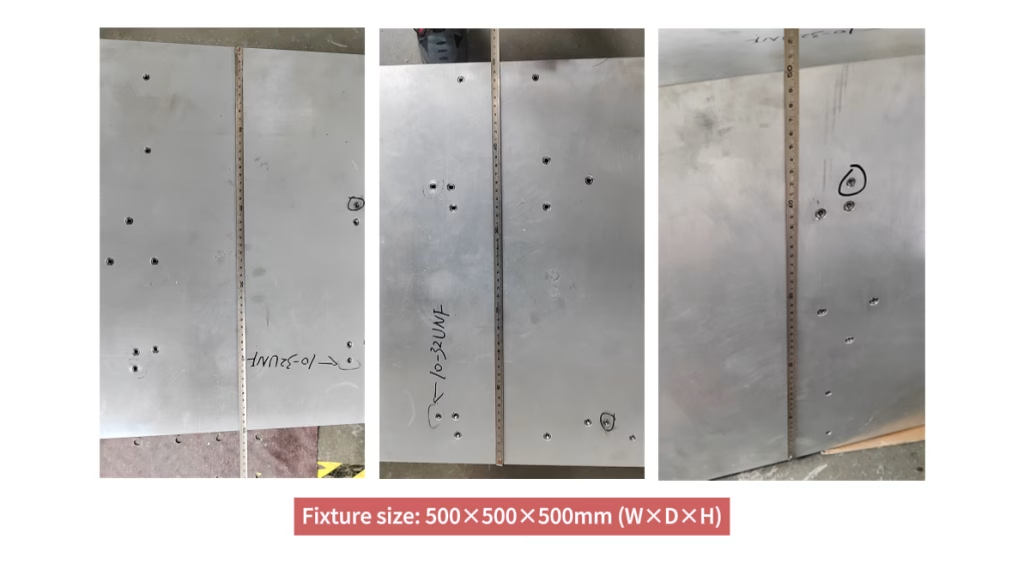
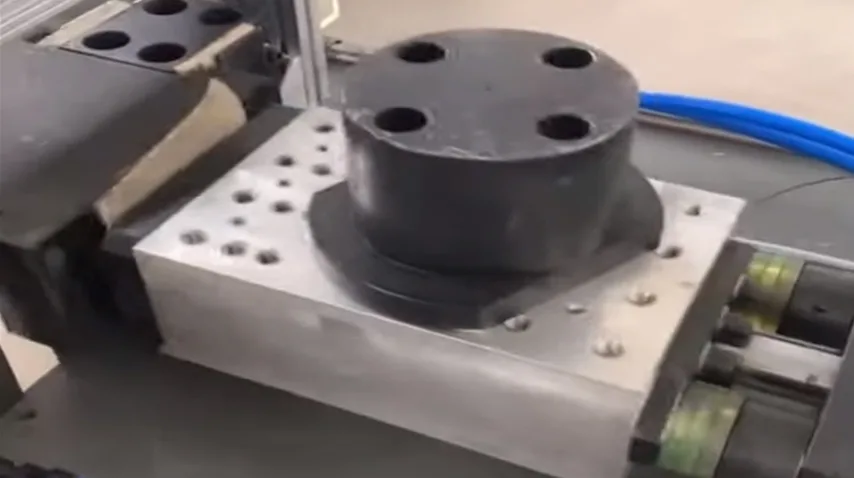
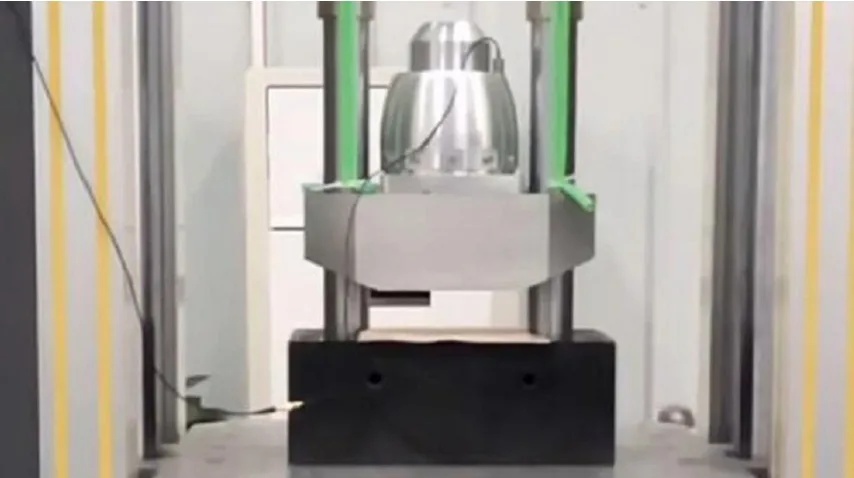
Mobileye required comprehensive shock validation in the X, Y, and Z axes to evaluate the shock resistance of PCB assemblies and electronic modules under different loading orientations. The testing solution also needed to accommodate existing customer fixtures and mounting configurations while enabling efficient multi-axis testing.
Conventional electronic shock testing methods often have limitations in reproducing high-energy, long-duration shock conditions. In addition, multi-axis testing can introduce challenges related to fixture complexity, testing efficiency, and result repeatability, making it difficult to fully evaluate product robustness under extreme environments.
Therefore, Mobileye required a high-energy shock testing solution capable of simulating real-world mechanical shock conditions and supporting complete three-axis (X/Y/Z) validation for autonomous driving electronic systems.
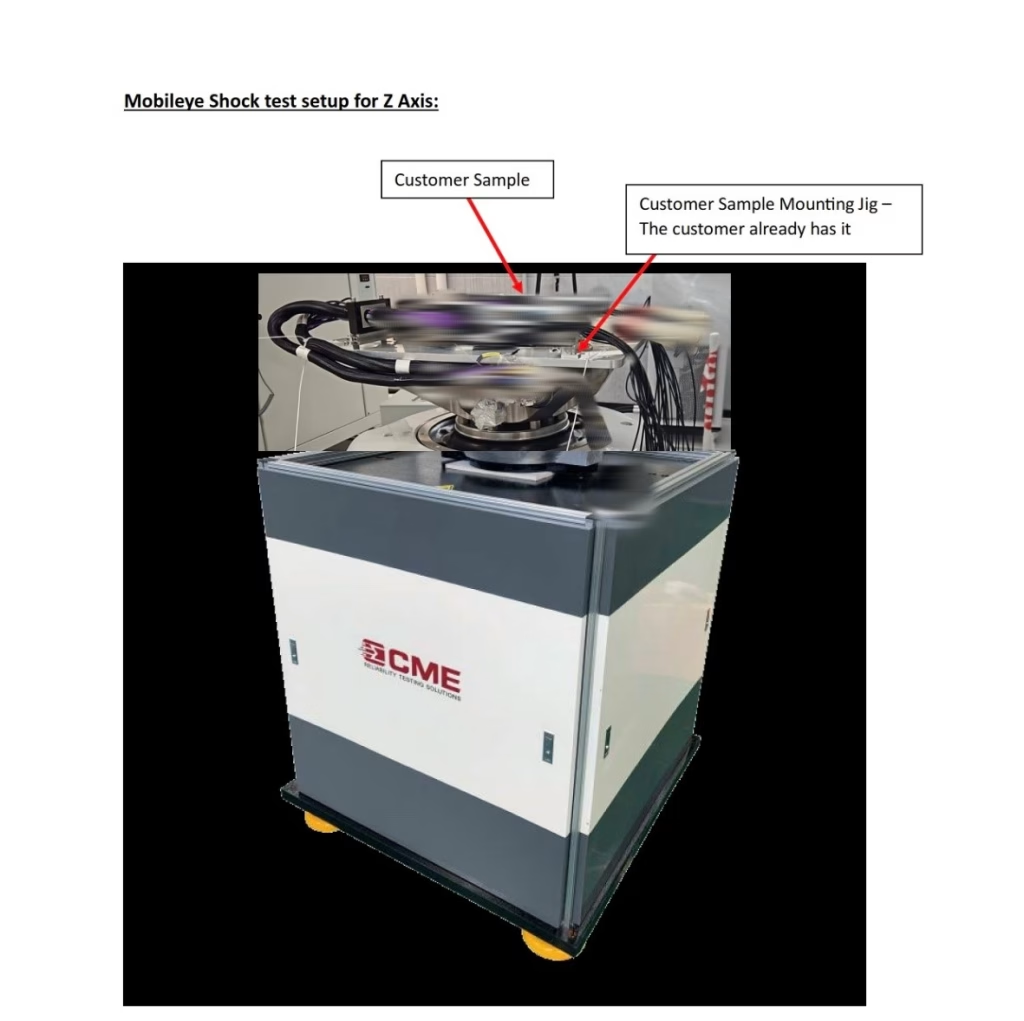
Solutions
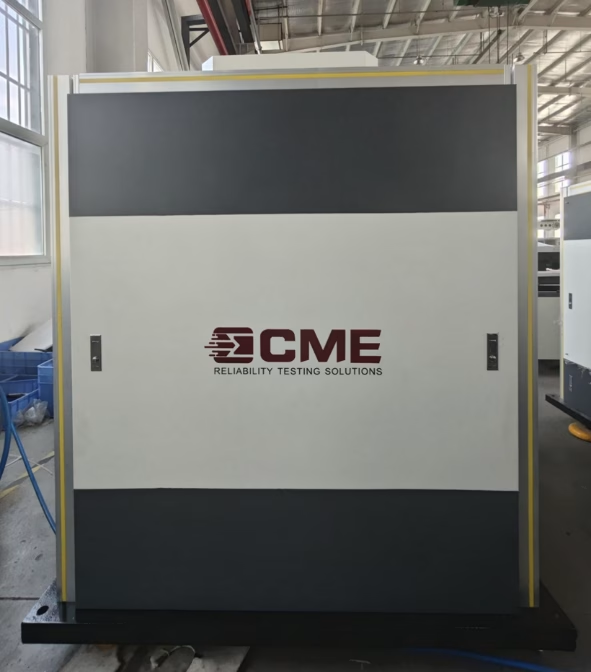
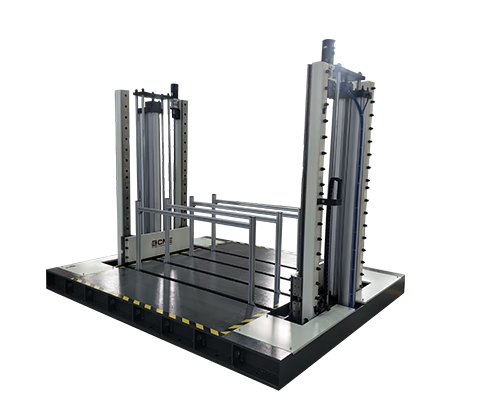
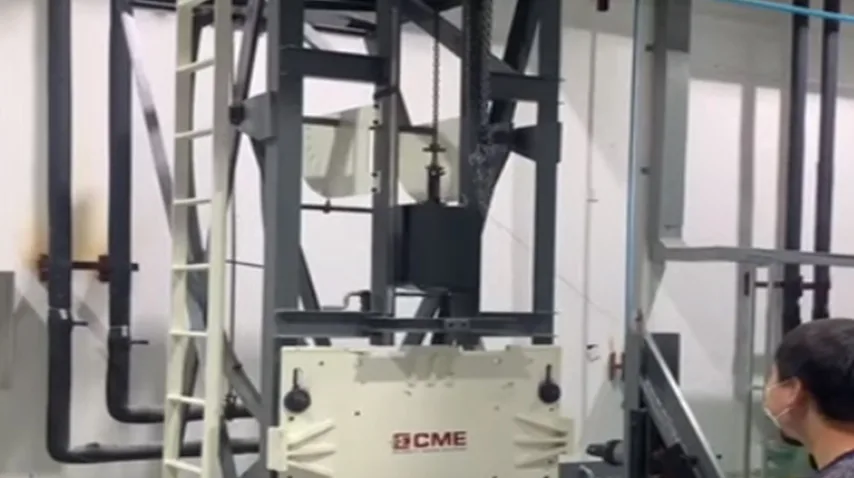
To address these requirements, CME supplied the KRD13-100 High-Energy Shock Test System.
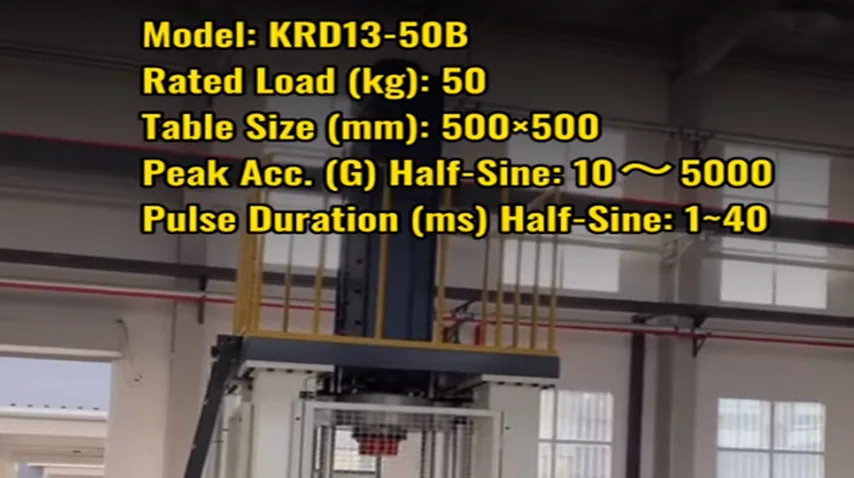
Utilizing advanced pneumatic energy-storage technology, the system generates high-acceleration and high-energy shock pulses to accurately simulate severe mechanical shock environments encountered during transportation, installation, and vehicle operation.
The system supports reliability testing of PCB assemblies, electronic control modules, sensor units, and autonomous driving electronics, providing accurate and repeatable data for product development and certification programs.
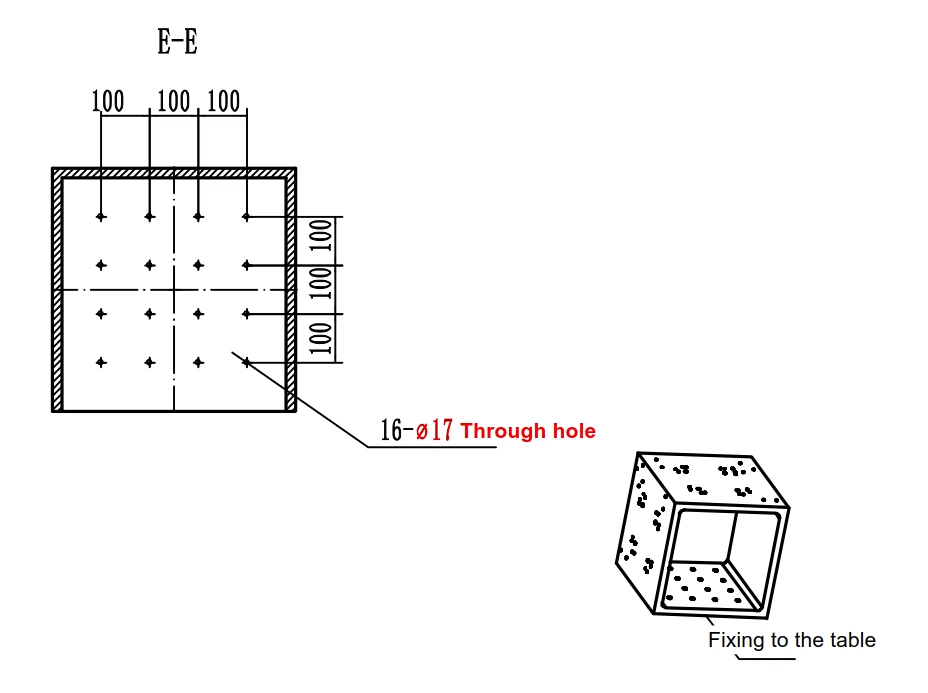
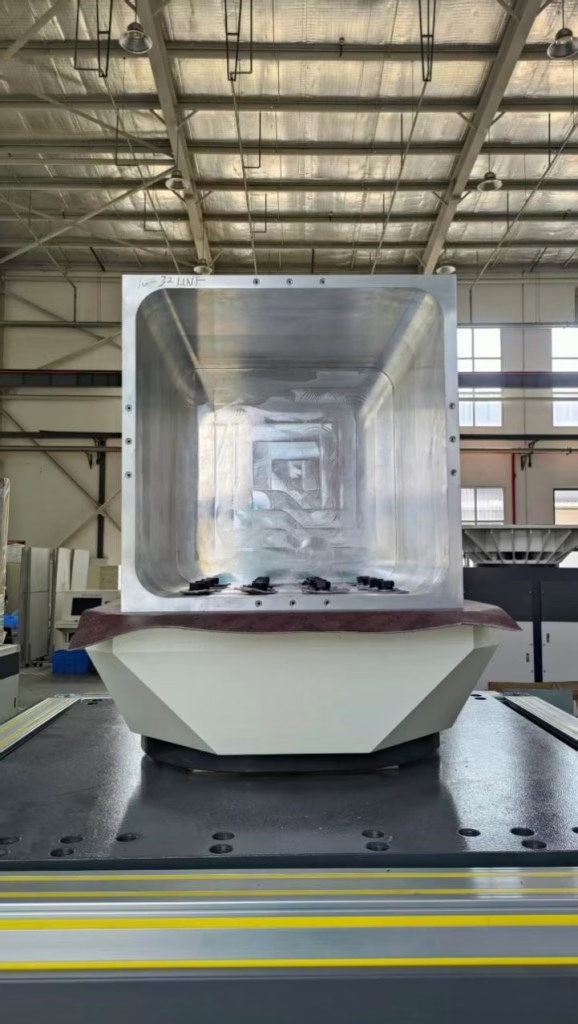
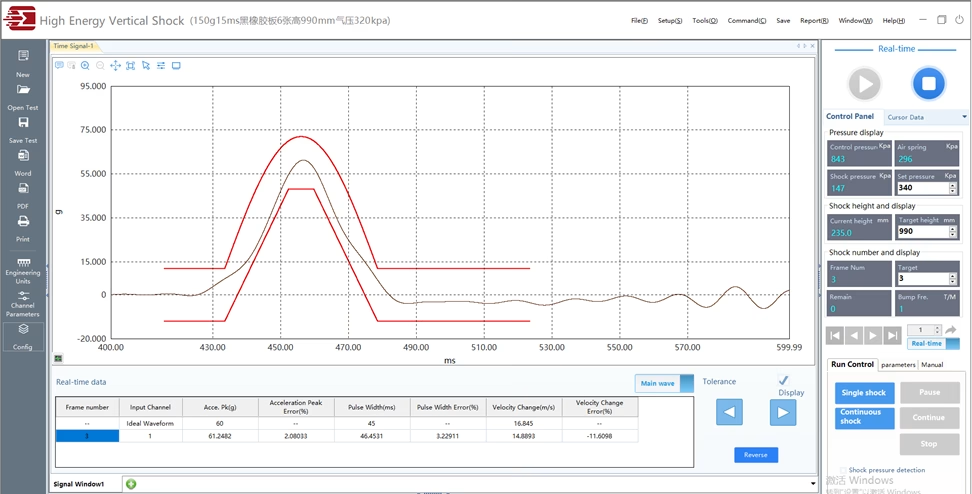
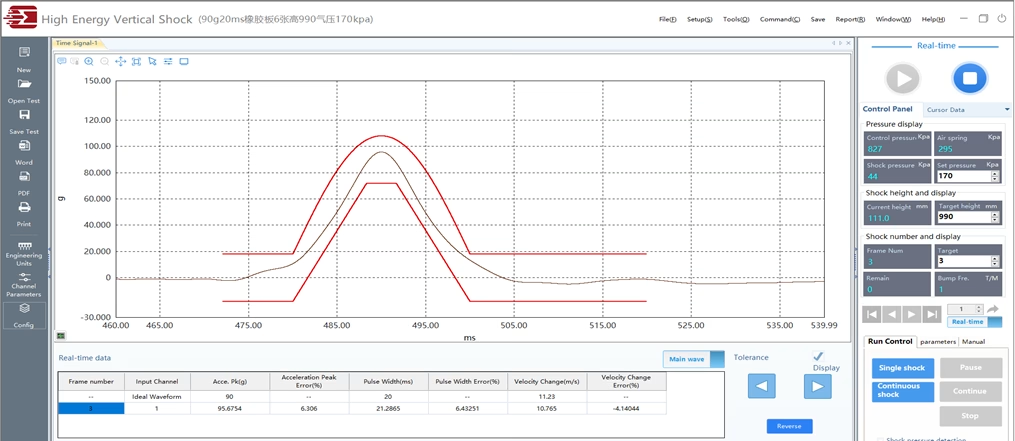
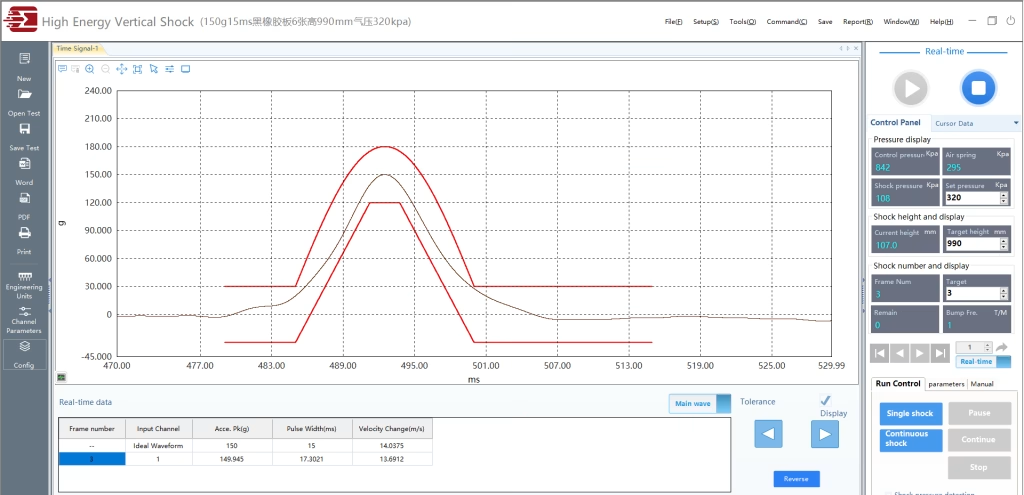
Typical Shock Test Profiles
High-Energy Shock Conditions
Results
By implementing the KRD13-100 High-Energy Shock Test System, Mobileye successfully established an advanced shock-testing capability for automotive electronics.
✔ Validated shock resistance of PCB assemblies and electronic modules
✔ Enhanced reliability of ADAS and autonomous driving systems
✔ Identified potential structural and functional failure risks early in development
✔ Accelerated product verification and qualification processes
✔ Generated reliable data for certification and production readiness
✔ Improved operational stability and durability in demanding environments