After a period of use, electronic products will inevitably face the problem of aging of electronic components, resulting in unstable performance and inability to use stably, which is a common problem in electronic products. If the reliability of electronic equipment can be tested, it can help to detect the places where there is a high probability of major faults in electronic products in advance, and make remedial measures by modifying circuits, improving production processes, and improving the performance of electronic components, thus improving the reliability of electronic products. Therefore, testing of electronic products is crucial.
The reliability testing of electronic components generally includes aging testing and environmental testing:
Aging testing about reliability of electronic equipment
Electronic products generally include plastic and metal materials. After long-term power-on operation, the plastic will turn yellow and deform, and the metal parts will corrode, which will cause the entire electronic product to be unusable.
Therefore, in the aging test box, the electronic products and their electronic components are tested, the average time of error-free operation is calculated, the characteristics of the failures are analyzed and summarized, and their common problems are identified and solved. This can improve the reliability of electronic equipment, ensuring stable long-term use of electronic products.
Environmental testing about reliability of electronic equipment
Electronic products all have their own suitable working environment. Some special electronic products also have indicators for working in harsh conditions. Therefore, conducting environmental tests on electronic products helps to understand the stable working environment of electronic products and the indicators of their ability to withstand harsh working environments.
Temperature and humidity testing
Temperature testing is to determine the effect of different temperature environments on electronic products, to determine the adaptability of electronic products to work and store under high and low temperature conditions, including high and low temperature load tests, and high and low temperature storage tests, in order to determine the high and low temperatures which electronic products can operate stably.
Humidity testing is to determine the effect of different humidity environments on electronic products. Most electronic products have a relatively low tolerance for humidity, and water vapor in the air can easily cause short circuits and corrosion of electronic components. Only electronic products that undergo special waterproof treatment can be used in high humidity conditions.
Mechanical environmental testing
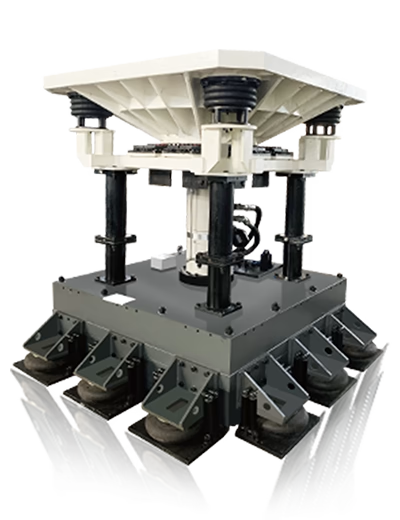
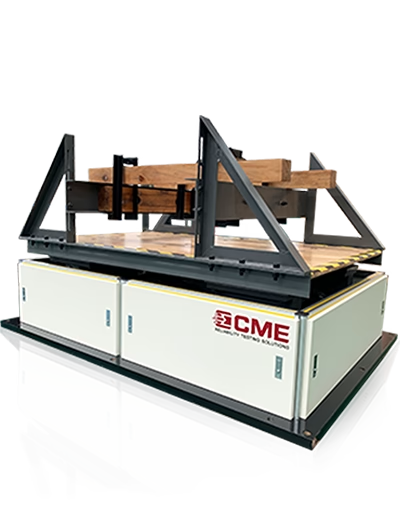
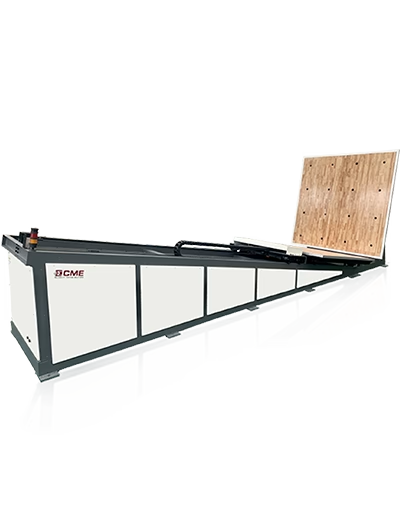
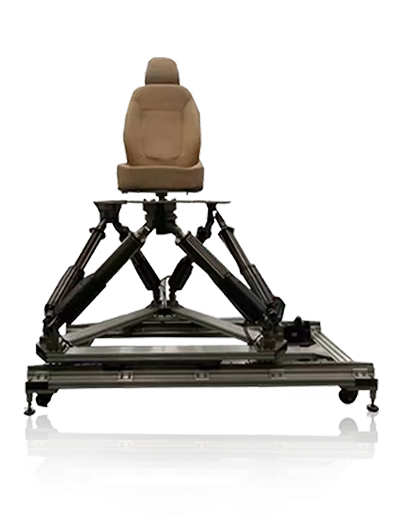
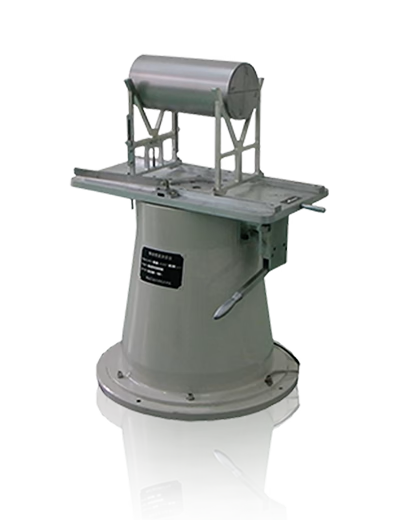
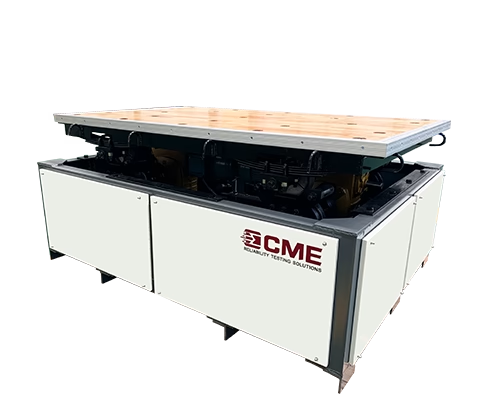
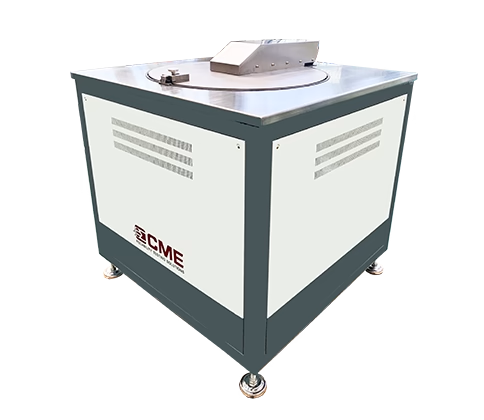
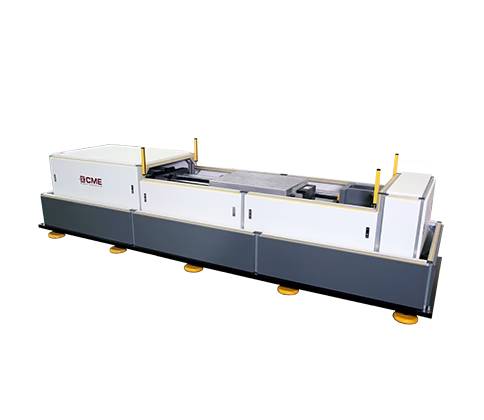
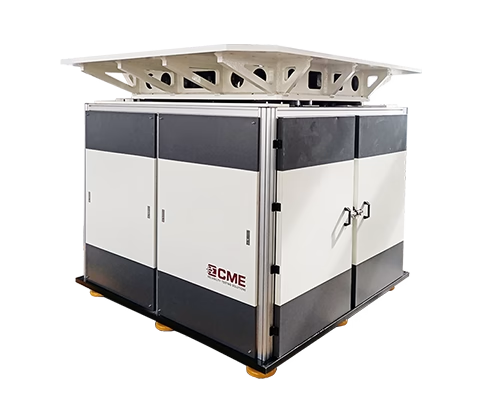
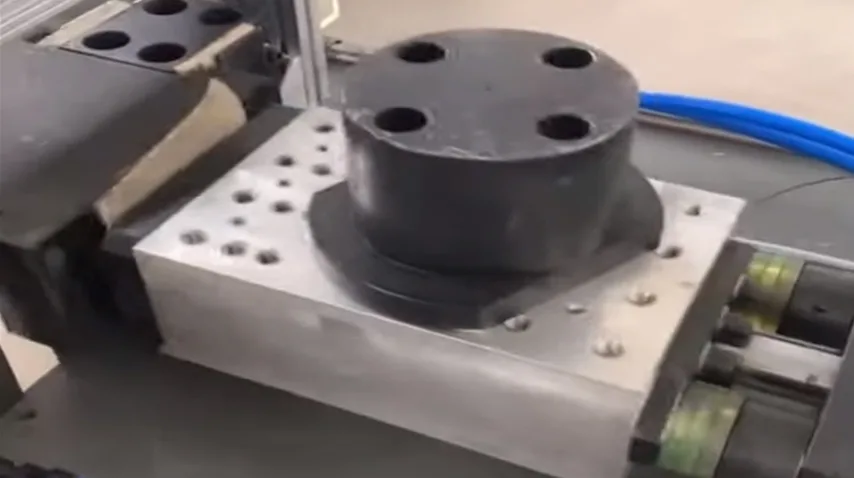
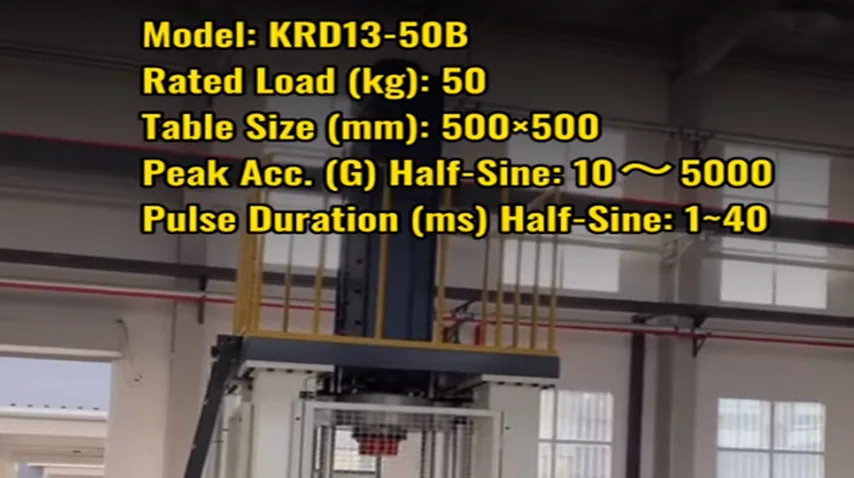
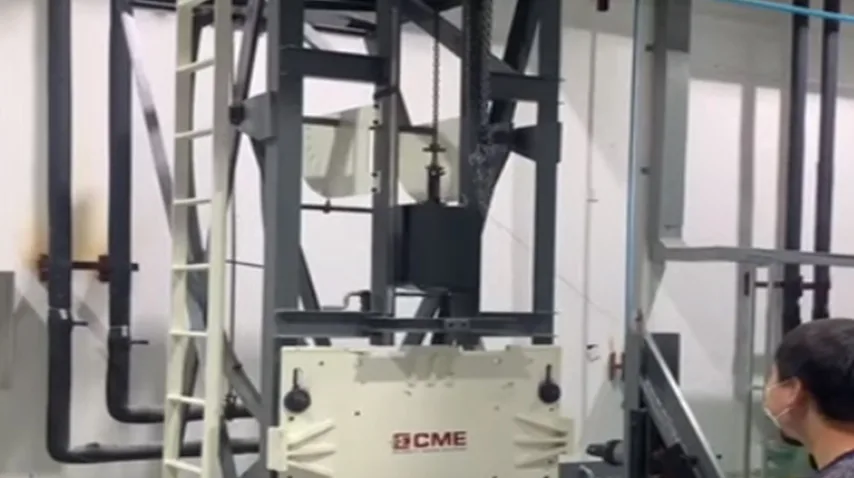
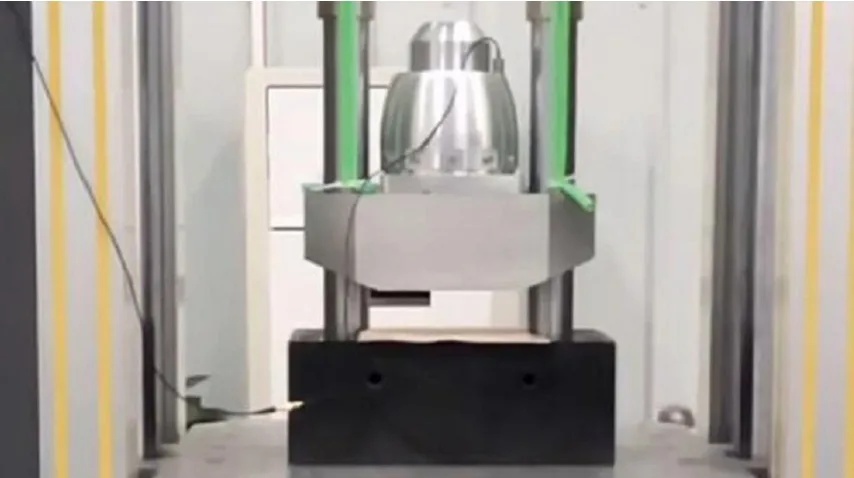
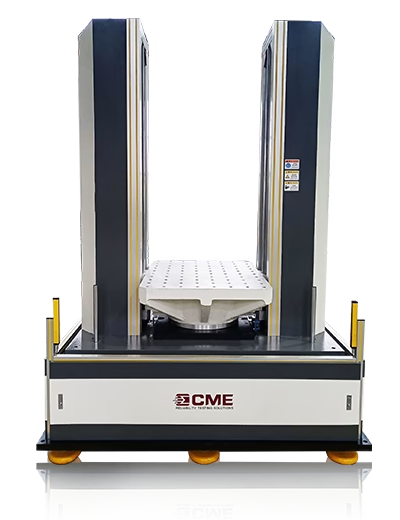
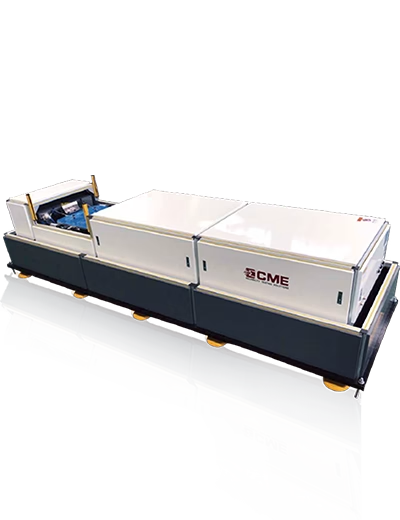
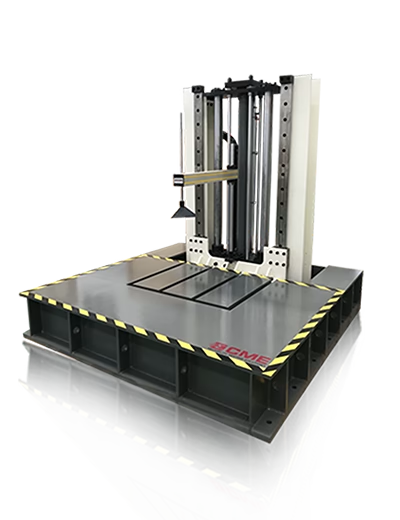
Mechanical environmental testing mainly includes mechanical vibration, mechanical shock, and drop test.
Electronic products are mostly precision equipment, and are sensitive to vibration and various shocks and drops. During transportation and use, electronic components can easily cause problems such as displacement and desoldering due to severe vibration and shock and drops, especially for some very important electronic components such as electronic gyroscopes and gravity sensors. These important electronic components need to be specially tested for vibration and shock and drops to determine their reliability under various vibration and shock and drop environments.