Packaging is a critical aspect of product presentation and protection. Whether you’re shipping delicate electronics, perishable goods, or industrial equipment, ensuring that your packaging can withstand the rigors of transportation and handling is paramount. This is where package test machines come into play. In this blog, we’ll delve into the world of package test machines and explore their crucial role in guaranteeing the integrity of your products’ packaging.
Understanding Package Test Machines
Before we dive into their significance, let’s get acquainted with package test machines:
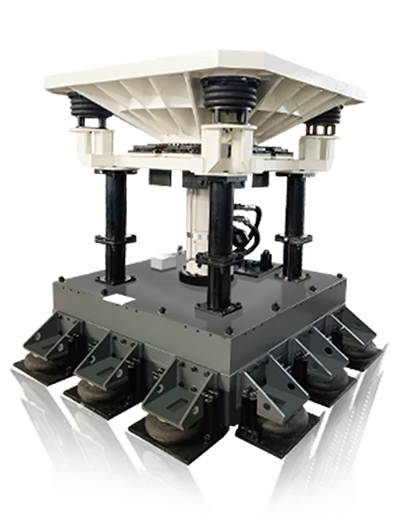
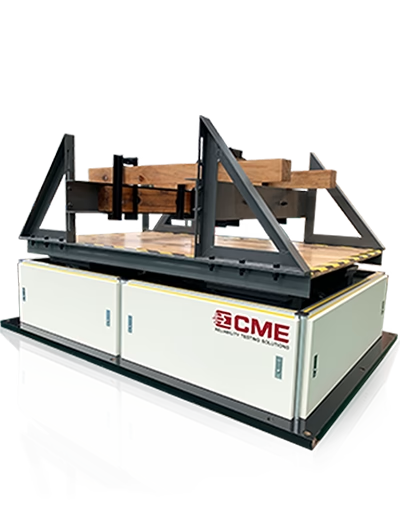
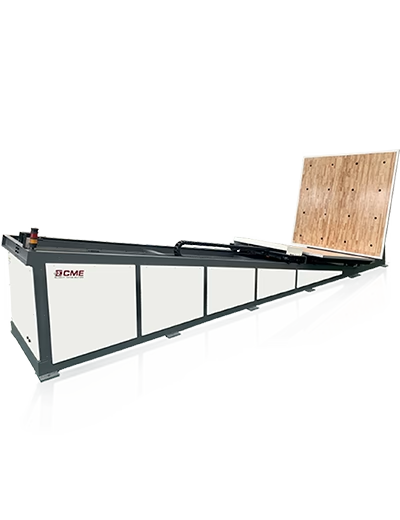
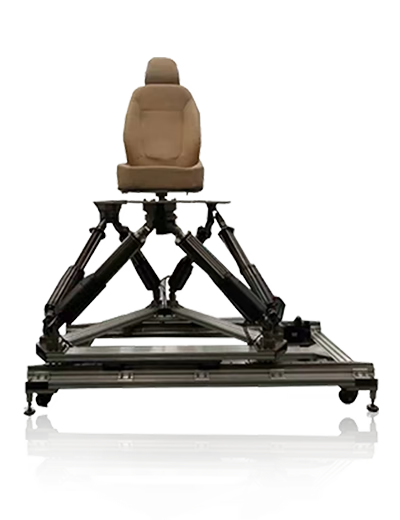
Package test machines, also known as package testing equipment, are specialized devices designed to evaluate the strength, durability, and integrity of packaging materials and designs. These machines subject packages to a battery of tests, simulating various environmental conditions and stresses they might encounter during shipping and handling.
Importance of Package Testing
Product Protection
The primary function of packaging is to protect the contents. Package test machines ensure that the packaging materials can withstand external forces, preventing damage to the products within.
Quality Assurance
Package testing is a crucial part of quality assurance. It ensures that the packaging meets industry standards and customer expectations. Products arriving in damaged packaging can harm a brand’s reputation and result in financial losses.
Compliance with Regulations
Certain industries, such as pharmaceuticals and food, have strict regulations regarding packaging integrity. Package test machines help manufacturers ensure compliance with these regulations.
Types of Package Tests
Package test machine can perform a variety of tests:
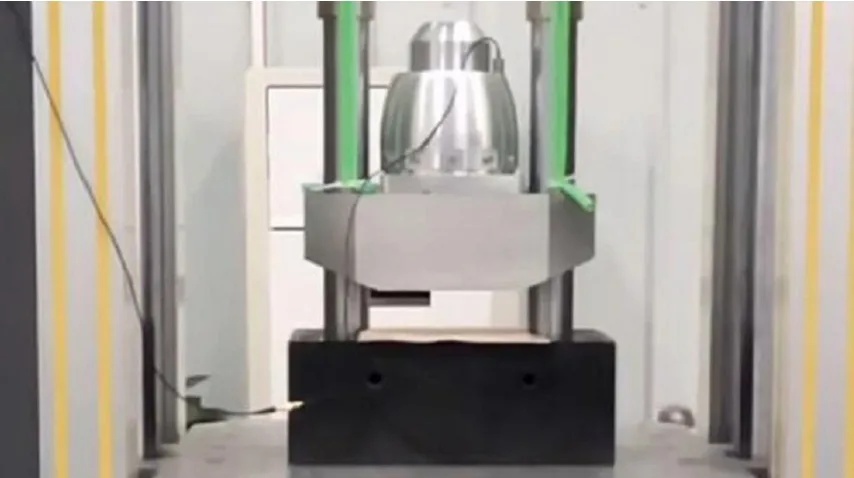
Compression Testing
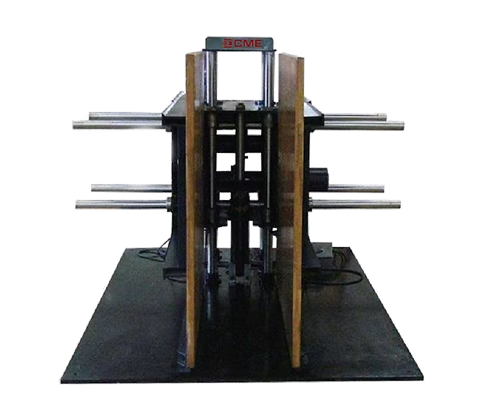
This test evaluates how well a package can withstand vertical forces, simulating stacking in a warehouse or during shipping.
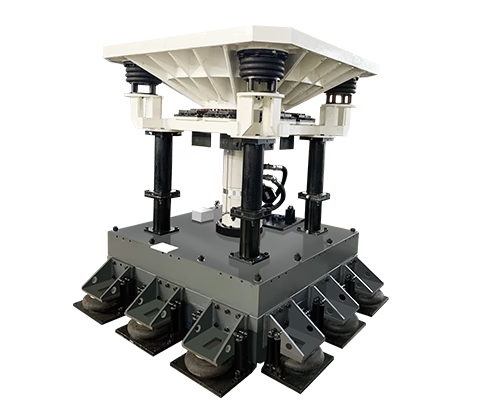
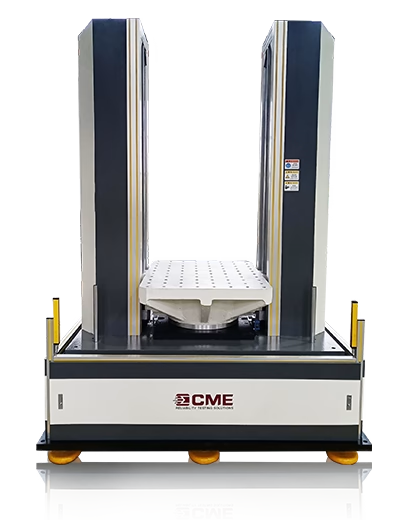
Vibration Testing
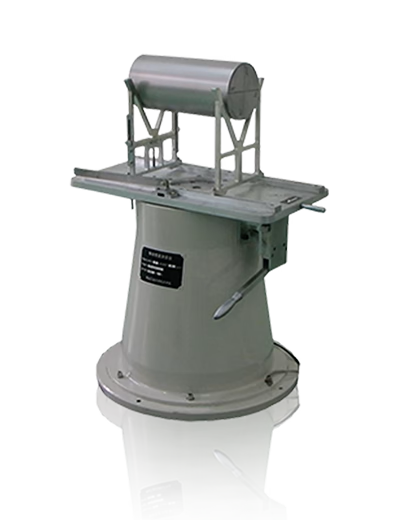
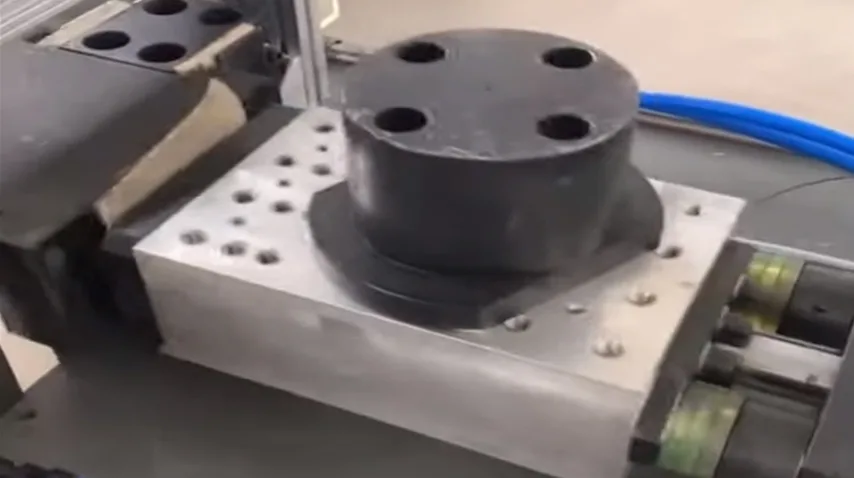
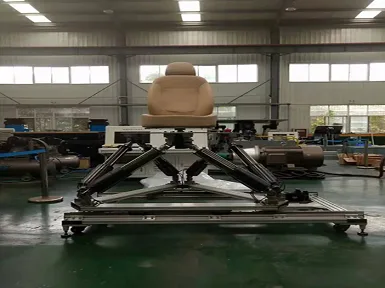
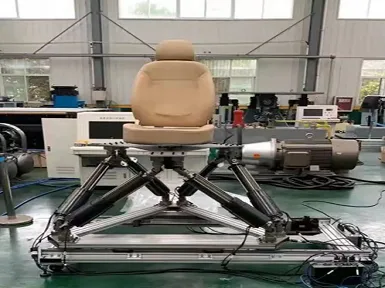
Vibration tests simulate the vibrations packages experience during transportation. They help identify weaknesses in packaging design that could lead to product damage.
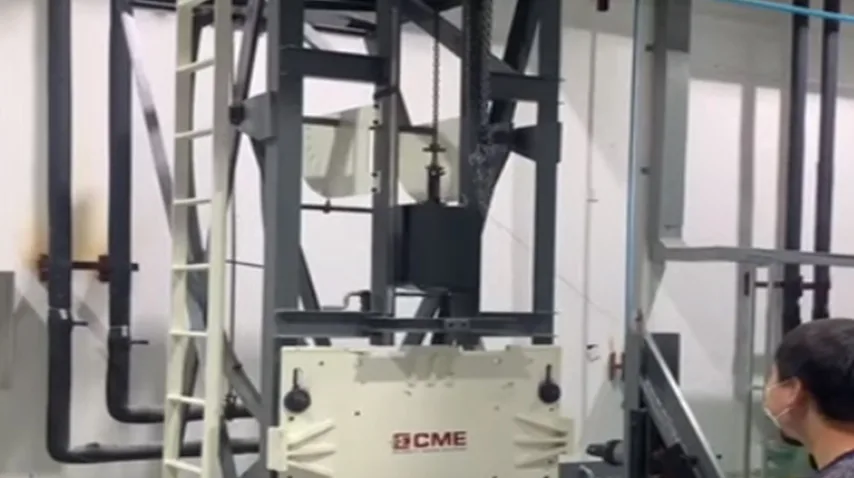
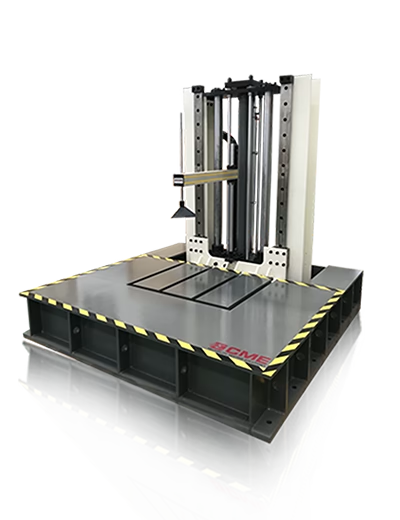
Drop Testing
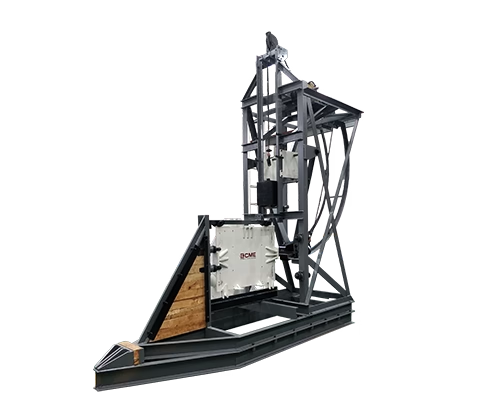
Packages are subjected to controlled drops to assess their ability to protect fragile contents from impact and shock.
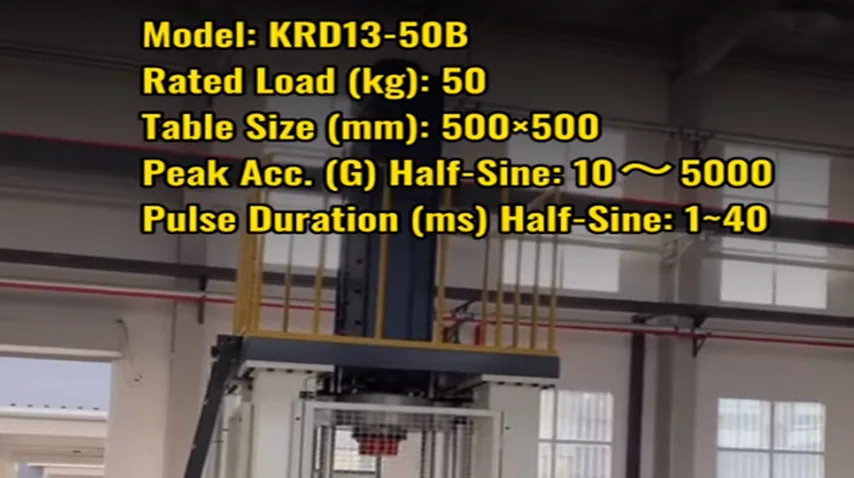
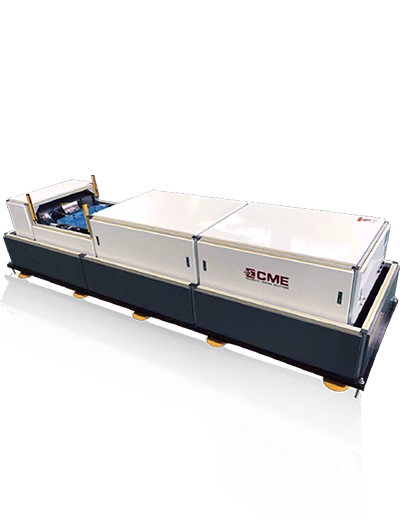
Impact testing
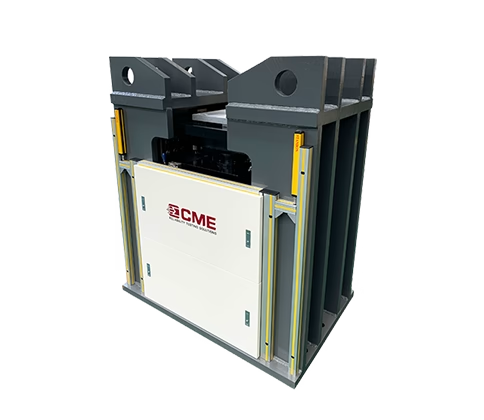
Impact testing simulates the ability of product packaging to resist shock damage in the actual environment, such as handling, stacking of shelves, sliding of motors, loading and unloading of locomotives, product transportation, etc.
Environmental Testing
Environmental tests evaluate how packaging materials respond to changes in temperature and humidity. This is especially important for products that are sensitive to environmental conditions.
Applications Across Industries
Package test machines find applications in various industries:
Transportation
Package testing is the important way to ensure transportation safely when product shipped from the warehouse to customer site.
Packaging
Ensuring that the UUT in the packaging box can preserve product reliability and structural integrity is essential for these industries.
Electronics
Electronic devices are delicate and require packaging that can protect them from shock and vibration during shipping and handling.
Package test machines are unsung heroes in the world of product packaging. They play a crucial role in guaranteeing that the packaging materials and designs can withstand the challenges of the supply chain, ensuring that products reach their destination intact and in optimal condition. Whether you’re a manufacturer, distributor, or consumer, the integrity of packaging impacts us all, making package test machines an essential tool for quality and reliability in a wide range of industries.