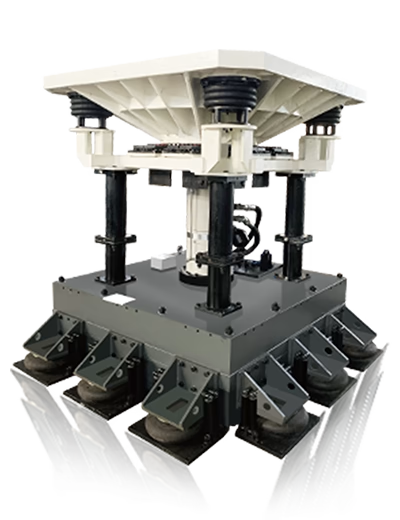
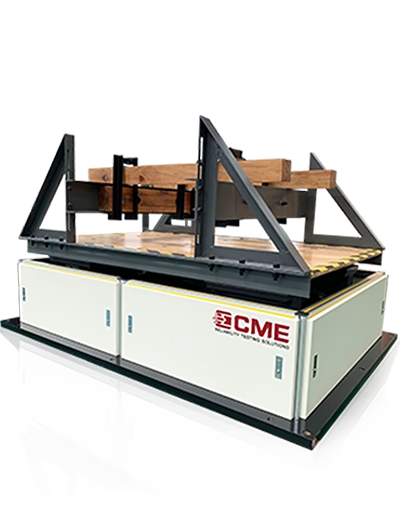
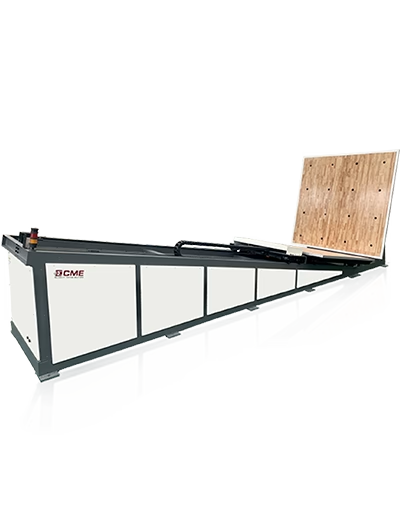
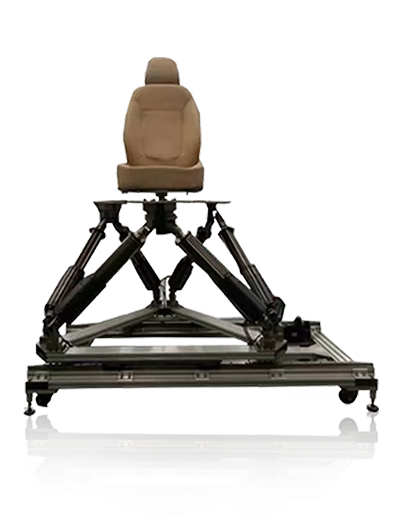
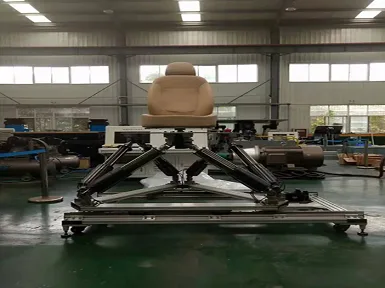
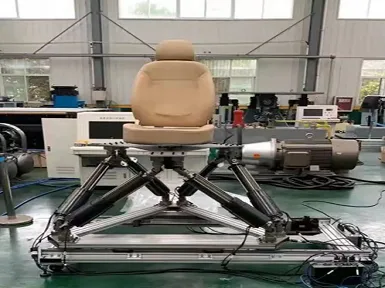
In the fast-paced world of transportation infrastructure, ensuring the durability and reliability of critical components is paramount. The evolving landscape of technology demands innovative testing methods, and one such groundbreaking solution is the use of pneumatic shock test machines. Let’s delve into the ways these machines are shaking things up and revolutionizing the transportation industry.
The Impact of Pneumatic Shock Testing
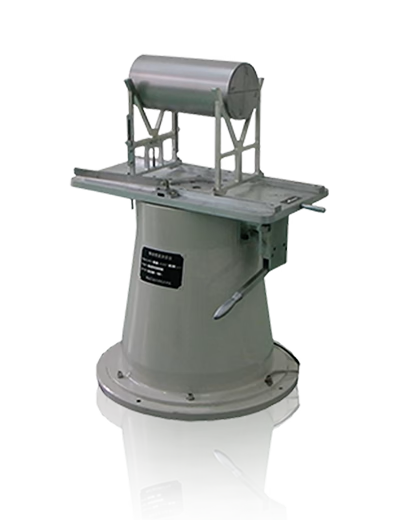
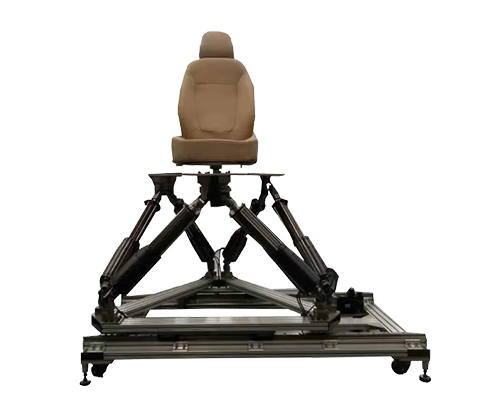
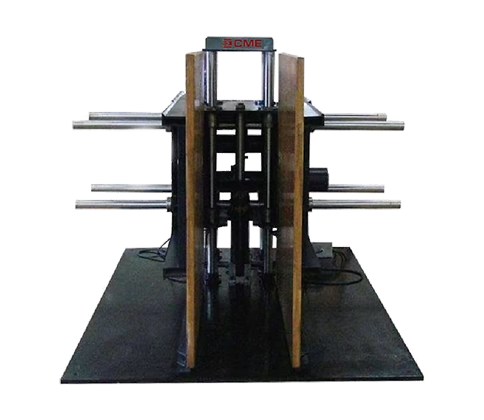
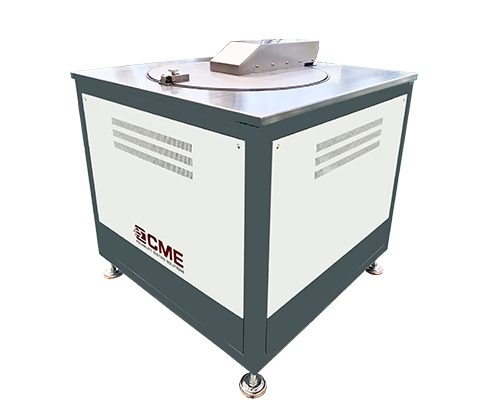
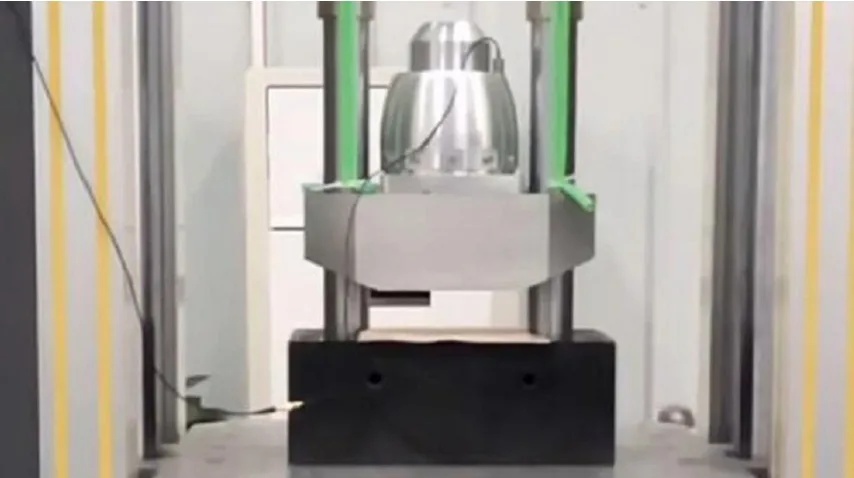
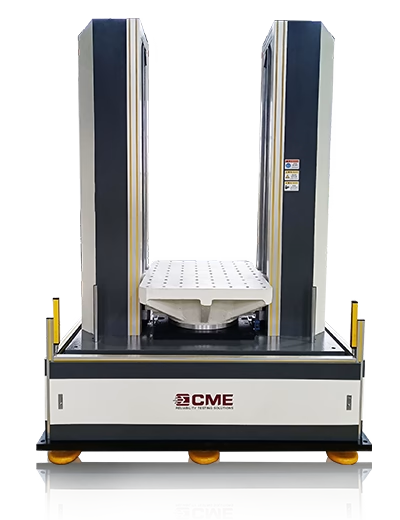
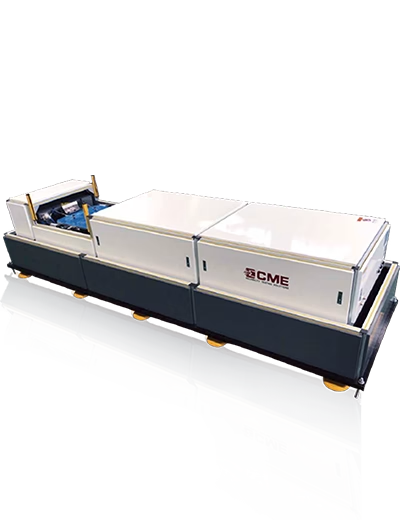
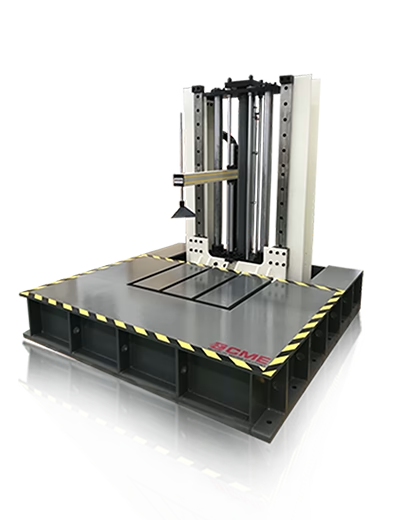
Pneumatic shock test machines have emerged as indispensable tools for evaluating the resilience of transportation infrastructure. Whether it’s bridges, tunnels, or railway systems, these machines simulate real-world shocks and vibrations, allowing engineers to assess the structural integrity of components under stress. This level of testing is crucial in ensuring that our transportation networks can withstand the rigors of daily use and unexpected events.
Bridging the Gap: Pneumatic Testing in Bridge Construction
Bridges are the lifelines of many cities, connecting communities and facilitating the flow of goods and people. Pneumatic shock test machines play a pivotal role in bridge construction by subjecting structures to simulated dynamic loads. This testing helps engineers identify potential weaknesses, assess the impact of heavy traffic, and design bridges that can withstand the test of time.
On Track: Pneumatic Testing in Railway Systems
Railway systems are the arteries of efficient transportation. Pneumatic shock testing ensures the reliability of railway tracks, signaling systems, and rolling stock. By subjecting rail components to controlled shocks and vibrations, engineers can detect vulnerabilities and make informed decisions to enhance safety and minimize maintenance requirements.
Tunnel Vision: Enhancing Safety in Underground Transportation
The safety of underground transportation systems, such as tunnels, is paramount. Pneumatic shock test machines are instrumental in evaluating the structural integrity of tunnel linings and support structures. This testing not only ensures the safety of commuters but also aids in the design of tunnels that can withstand potential seismic events or other unforeseen challenges.
Future Frontiers: Integrating Pneumatic Testing in Transportation Innovation
As transportation technology continues to advance, from autonomous vehicles to hyperloop concepts, the need for robust infrastructure becomes even more critical. Pneumatic shock test machines are at the forefront of this innovation, enabling engineers to assess the impact of new technologies on transportation infrastructure and ensuring that safety and reliability remain top priorities.
In conclusion, pneumatic shock test machine is not just tools; they are the guardians of transportation infrastructure, shaking up traditional testing methodologies and paving the way for a safer and more resilient future. As we continue to push the boundaries of transportation technology, these machines will undoubtedly play a central role in shaping the infrastructure that connects our world.