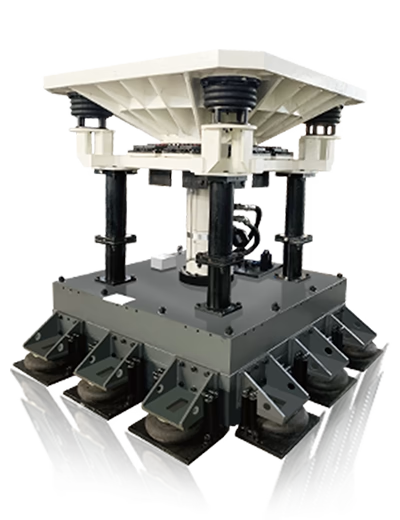
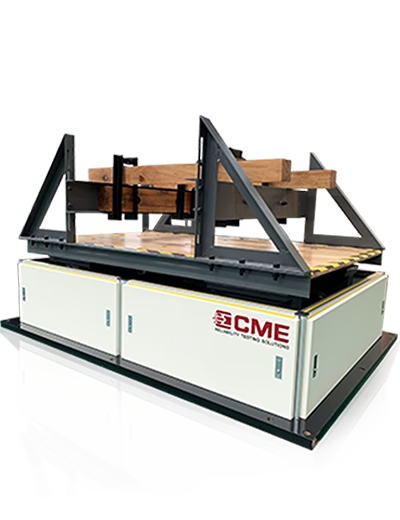
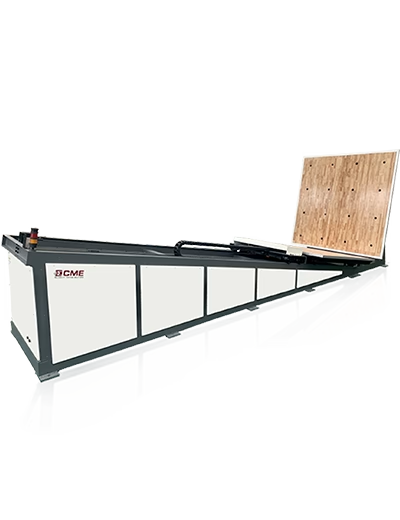
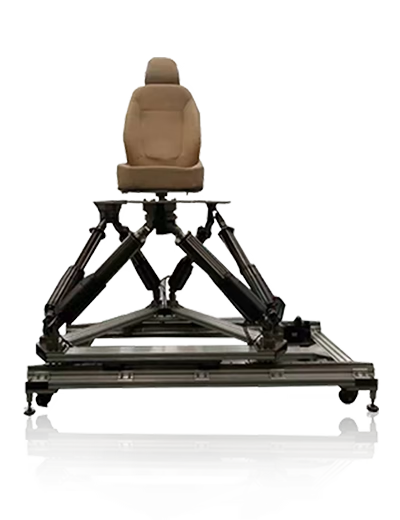
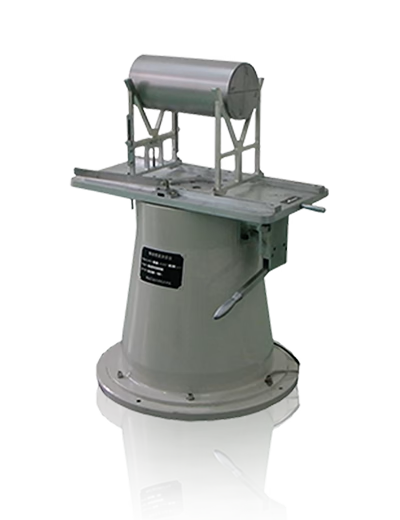
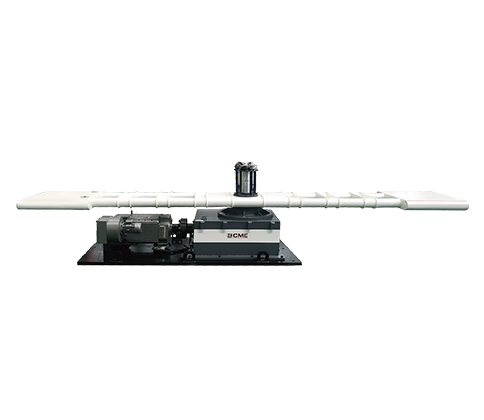
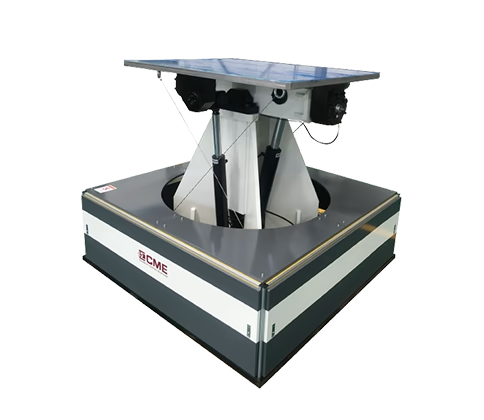
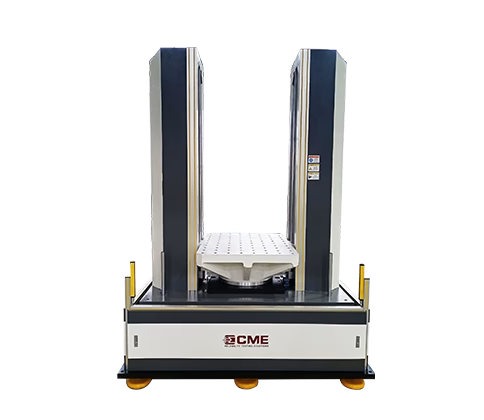
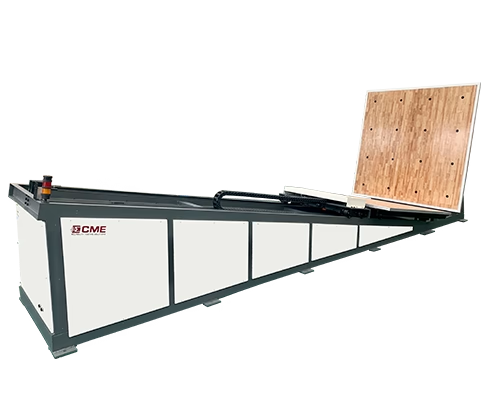
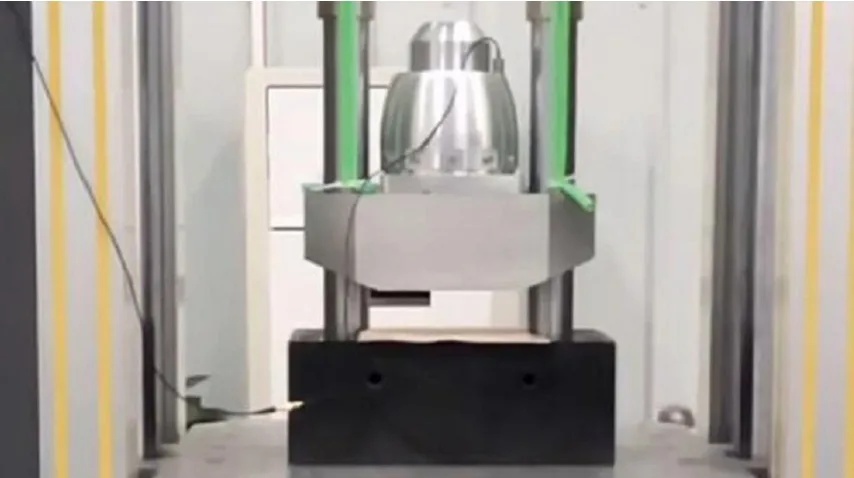
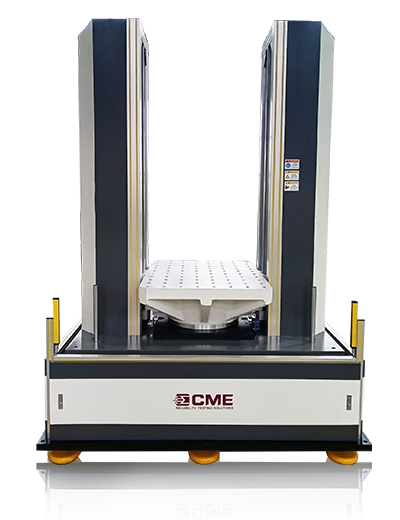
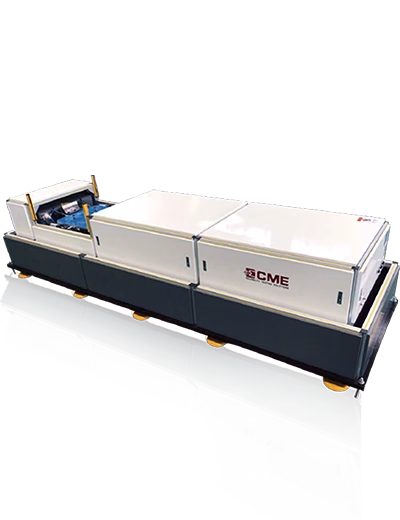
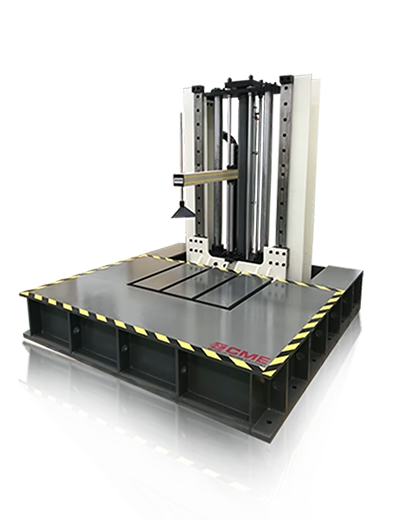
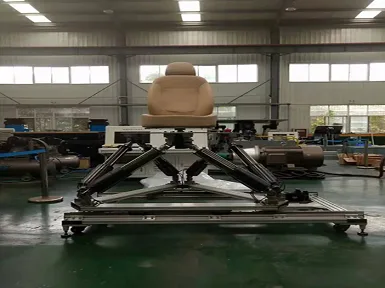
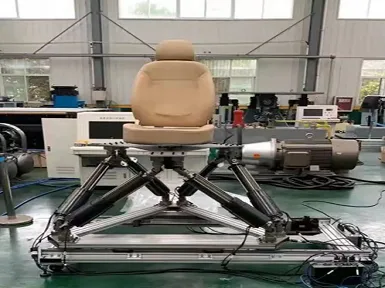
In the dynamic world of manufacturing and logistics, ensuring the safety of products during transportation is paramount. One key player in this pursuit of product safety is the inclined impact tester. This sophisticated testing equipment plays a crucial role in simulating and assessing the impact and shock environments that packaged goods might encounter throughout their journey from production facilities to end-users. In this blog post, we delve into the significance of inclined impact testers and their indispensable role in guaranteeing the integrity of products during transportation.
Understanding Inclined Impact Testing
What is Inclined Impact Testing?
Inclined impact testing involves subjecting packaged products and containers to simulated inclined impact scenarios. These scenarios mimic the real-world conditions products might face during handling, stacking on shelves, sliding in motors, loading and unloading from locomotives, and various stages of transportation. This testing method helps manufacturers and packaging technologists assess the resilience and durability of their products in a controlled environment.
International Standards Compliance
One of the key strengths of inclined impact testers lies in their adherence to international standards. The machines are designed to comply with standards such as ISO 2248 and those set by the International Safe Transit Association (ISTA). These standards ensure uniformity and reliability in testing procedures, enabling manufacturers to make informed decisions about their packaging designs.
The Crucial Role in Transportation
Minimizing Transportation Risks
Transportation is a critical phase in a product’s journey, and it poses numerous risks such as sudden shocks, vibrations, and rough handling. Inclined impact testers allow manufacturers to replicate these conditions accurately. By doing so, they can identify vulnerabilities in packaging materials and structures, enabling them to make necessary adjustments to enhance the overall safety of their products during transit.
Optimizing Packaging Designs
Inclined impact testing isn’t just about identifying weaknesses; it’s also a powerful tool for optimization. Manufacturers can use the data obtained from these tests to refine and improve their packaging designs. This iterative process ensures that packaging is not only robust but also resource-efficient, striking a balance between protection and environmental impact.
Cost-Efficiency in the Long Run
Investing in inclined impact testing may seem like an additional cost, but it pays off in the long run. By identifying potential issues early in the design phase, manufacturers can avoid costly product damages during transportation. This proactive approach not only saves money but also enhances the reputation of brands that prioritize the safe delivery of their products.
Inclined impact tester is unsung heroes in the world of transportation safety. Their ability to recreate real-world conditions in a controlled environment empowers manufacturers to create packaging solutions that stand up to the rigors of the supply chain. As we continue to witness advancements in manufacturing technology, the role of inclined impact testers in ensuring product safety during transportation will only become more pronounced, contributing to a safer, more reliable global logistics network.