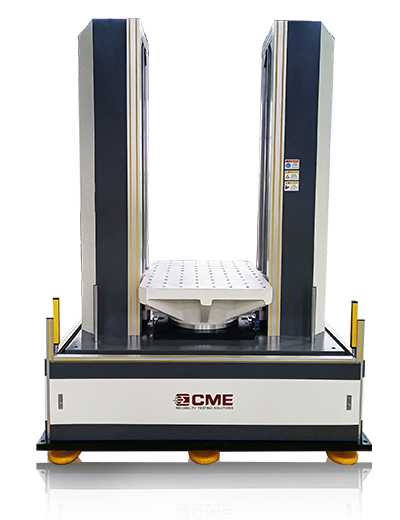
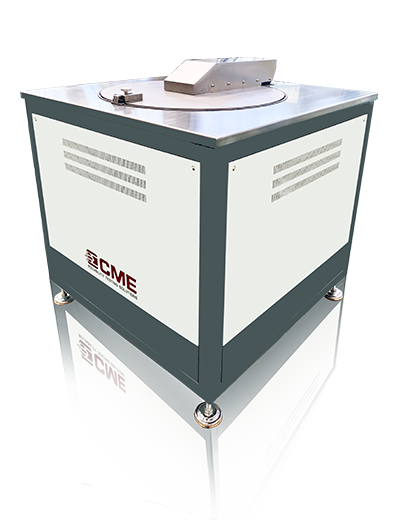
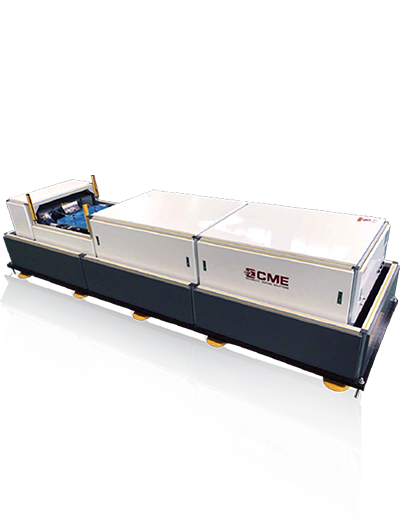
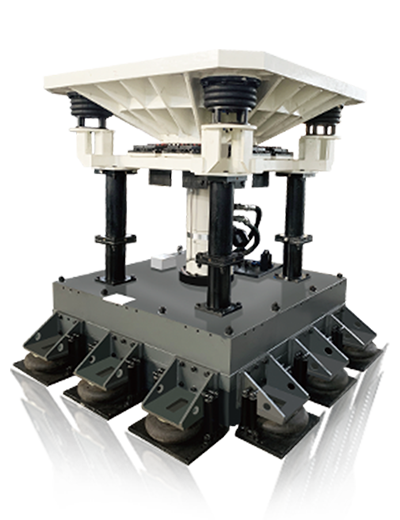
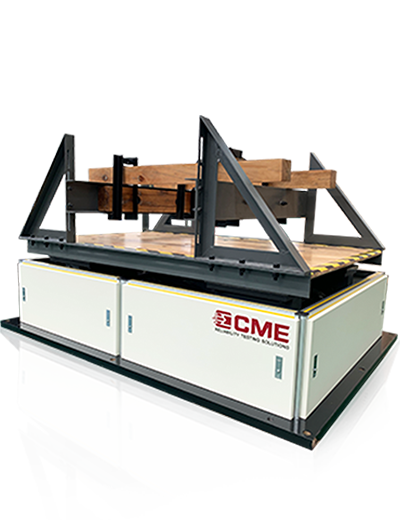
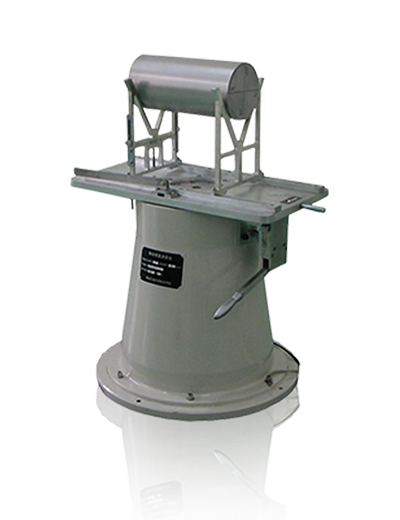
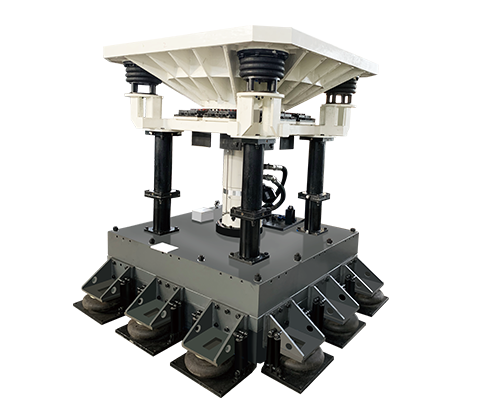
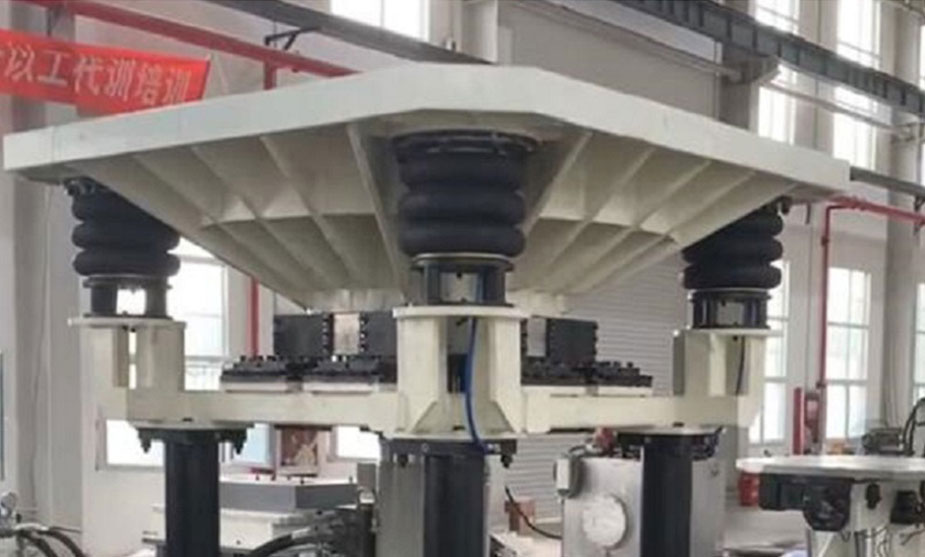
Vibration test using the 1-inch fixed displacement method, peak-to-peak, at a predetermined frequency for the ISTA 1A and 1B procedures.
The 1C, 1D, and 1E procedures require a vibration test using two alternative methods: fixed linear vertical displacement or random vibration.
Instead, for procedures 1G and 1H, the testing sequence requires a random vibration test. For the 2A and 2B procedures, the testing sequence outlines two testing procedures: the fixed-displacement vibration test and the random vibration test. However, the ISTA 2C procedures require a random vibration test under dynamic load. The ISTA 3A procedure is composed of different types of tests depending on the package to be tested (standard, small, flat, or elongated) and its characteristics. In the case of vibration tests, the performance of a random vibration test with or without top load is required for all types of packages. Optionally, a random vibration test at low pressure may be performed.
The ISTA 3B procedure requires the performance of a random vibration test with the top load. However, protocols ISTA 3E and 3H also require the performance of a random vibration test, but without a top load in this case.
Project 3K requires a random vibration test. A random vibration test with or without top load.